Moroccan Food in Agadir: A Culinary Journey Through the Souss-Massa Flavors
What if the most memorable part of your holiday wasn't the Atlantic horizon, but the first spoonful of a slow-cooked Berber tajine? Many of the 5...
What if the most memorable part of your holiday wasn't the Atlantic horizon, but the first spoonful of a slow-cooked Berber tajine? Many of the 5 million travelers who visit the Souss-Massa region each year share a common worry; they crave the authentic Moroccan food Agadir is famous for, but they're afraid of falling into overpriced tourist traps or misinterpreting the local dining etiquette. It's easy to feel overwhelmed by a menu featuring a dozen different tajines or feel unsure about tipping customs when the bill arrives.
We're here to guide you through these sensory delights with the warmth of a local friend. You'll discover the genuine tastes of our land, from sun-drenched Amazigh specialties to the silver sardines pulled from the ocean just hours ago. This guide provides a curated list of must-try regional dishes and reveals the hidden spots where our community actually eats, giving you total confidence to navigate any Moroccan menu with ease. We'll explore the essential flavors of the Souss and the secret corners of the city that offer a truly unforgettable culinary escape.
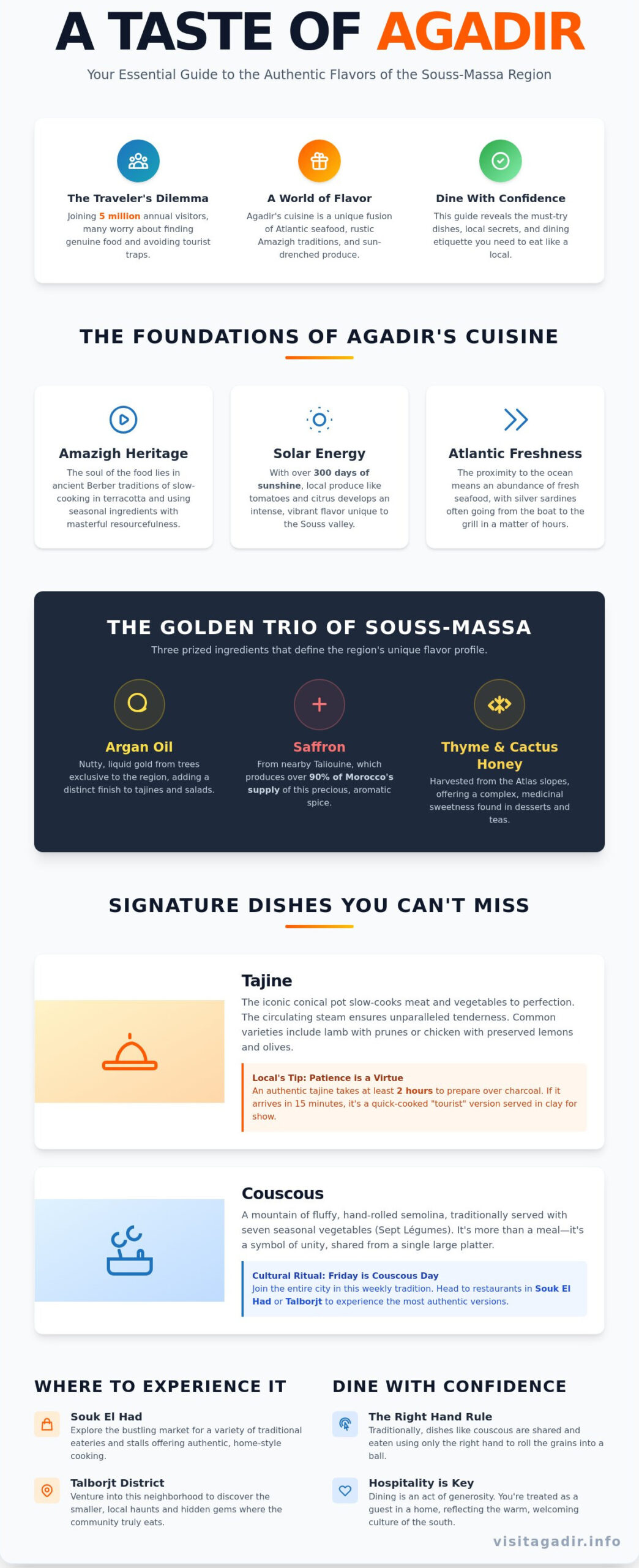
- Uncover the soul of Souss-Massa flavors where the freshness of the Atlantic meets the rich, rustic heritage of Amazigh cooking techniques.
- Identify the signature dishes you cannot miss, from aromatic slow-cooked tajines to the legendary Friday ritual of seven-vegetable couscous.
- Experience the true taste of the region by sampling freshly caught seafood and the golden, nutty sweetness of traditional Amlou.
- Learn exactly where to find the best moroccan food agadir, whether you are exploring the bustling Souk El Had or the local haunts of Talborjt.
- Navigate Agadir’s dining scene with confidence by understanding local meal schedules and the nuances of Moroccan hospitality etiquette.
Agadir sits at a unique crossroads where the Atlantic breeze meets the golden heat of the Souss-Massa plain. This isn't just another seaside resort; it's a culinary gateway. To understand Moroccan cuisine in this region, you have to look beyond the plate. The flavors here are a direct result of the Amazigh heritage, a culture that has mastered the art of slow cooking and seasonal resourcefulness over millennia. The Amazigh identity is the heartbeat of every kitchen. It's found in the way a terracotta tajine is seasoned or how couscous is rolled by hand in rural cooperatives. These traditions bring a rustic, earthy depth to the coastal freshness.
The city enjoys 300 days of sunshine annually. This constant solar energy transforms the local soil into a powerhouse of flavor. In Agadir, the produce doesn't just grow; it intensifies. You'll taste this vibrancy in every bite of moroccan food agadir offers, from the sun-drenched tomatoes to the zesty citrus fruits that dominate the local markets. The local pantry is defined by a prestigious 'Golden Trio' that chefs and home cooks prize above all else:
- Argan Oil: A nutty, liquid gold extracted from trees that grow almost exclusively in this region.
- Saffron: Sourced from nearby Taliouine, which produces over 90% of Morocco's supply of this precious spice.
- Thyme and Cactus Honey: Harvested from the slopes of the Atlas, offering a complex, medicinal sweetness.
The Souss-Massa Terroir: More Than Just Tajines
The High Atlas Mountains act as a majestic shield, protecting the fertile Souss valley from harsh Saharan winds. This microclimate allows for a diversity of ingredients that you won't find elsewhere in the kingdom. Farmers here cultivate everything from delicate zucchini to the robust olives used in local oils. The Souss-Massa region is the orchard of Morocco.
A Sensory Invitation to Agadir’s Tables
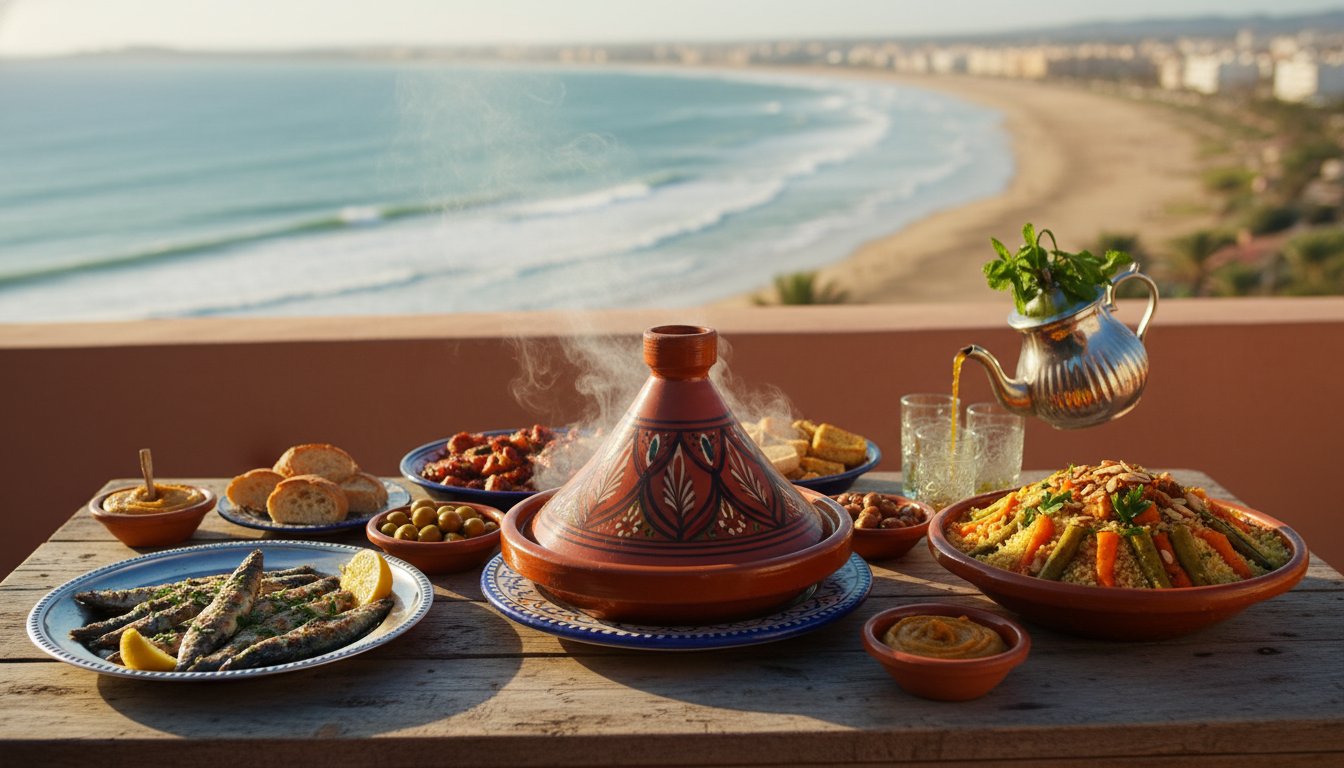
Picture yourself on a terrace at sunset. The sky turns a deep shade of violet while the scent of grilled sardines and cumin wafts through the air. Dining here isn't a transaction; it's an act of hospitality. You're treated as a guest in a home, reflecting the deep-seated generosity of the south. This solar energy defines the moroccan food agadir experience, where every meal feels infused with the warmth of the southern sun and a genuine sense of serenity.
Agadir's culinary landscape is a warm embrace of salt air and mountain spices. The pursuit of authentic moroccan food agadir often begins with the aromatic steam rising from a clay lid. While many travelers look for must-try Moroccan dishes, the Souss-Massa region adds its own golden touch to every recipe. You'll find the soul of the city in Harira, a velvety tomato and lentil soup. It's the ultimate comfort food, traditionally served with sweet chebakia cookies to balance its savory depth. For a more decadent experience, the Pastilla offers a masterclass in contrast. This flaky phyllo pastry pie, dusted with powdered sugar and cinnamon, hides a rich filling of spiced pigeon or fresh Atlantic seafood, proving that sweet and savory belong together.
The Art of the Moroccan Tajine
The tajine is more than a meal; it's a slow-motion celebration of flavor. This conical clay pot acts as a natural chimney, circulating steam to keep meats incredibly tender. In Agadir, the local terroir shines through the use of culinary Argan oil. Extracted from the 2.5 million hectares of Argan forests in the surrounding region, this liquid gold adds a distinct nutty finish to your meal. You'll likely choose between the classic lamb with caramelized prunes or chicken preserved with tangy lemons and olives. To find the real deal, look for "tajines" that take at least 2 hours to prepare. If your meal arrives in 15 minutes, it's likely a "tourist" version cooked in a standard metal pot and merely served in clay for show. Authentic moroccan food agadir requires patience and the gentle heat of charcoal embers.
Friday is for Couscous: A Cultural Tradition
When Friday arrives in Agadir, the city slows down. This is the day for "Couscous aux Sept Légumes," a mountain of semolina topped with seven seasonal vegetables like pumpkin, zucchini, and carrots. This dish represents 1,000 years of hospitality. It's traditionally shared from a single massive ceramic platter, symbolizing unity and blessing. If you want to experience this ritual, head to the restaurants near Souk El Had or the smaller eateries in the Talborjt district. While modern restaurants provide spoons, the traditional way involves using your right hand to roll the grains into a small, perfect ball. It's a skill that takes practice but offers a direct connection to the meal. You can discover the best local spots to join a Friday table and feel the true pulse of Moroccan generosity.
- Lamb with Prunes: A sweet and savory masterpiece topped with fried almonds.
- Seafood Tajine: A coastal specialty unique to Agadir's fishing heritage.
- Harira: The golden standard of Moroccan soups, rich in ginger and turmeric.
- Seven Vegetable Couscous: The essential Friday meal for every local family.
Agadir pulses with a culinary energy that flows from the deep blue of the Atlantic to the sun-drenched peaks of the Anti-Atlas. As the undisputed seafood capital of the kingdom, the city's identity is tied to the 1,000 tons of fish that pass through its port daily. When exploring moroccan food agadir offers a sensory journey that rewards the curious traveler with flavors found nowhere else in the world. The region acts as a natural pantry where the ocean's salt meets the mountain's sweetness.
The local terroir provides treasures like Amlou, often called the Moroccan Nutella. This rich, velvety paste combines roasted almonds, honey, and pure Argan oil, a liquid gold endemic to the Souss-Massa region. In the nearby Valley of Paradise, the village of Imouzzer produces rare thyme and lavender honey that tastes like the landscape itself. For those seeking depth, the "Red Gold" of Taliouine provides the answer. This high-altitude saffron, harvested by hand every October, infuses local teas and rice dishes with an earthy, floral aroma that defines the southern palate.
From Sea to Table: The Agadir Port Experience
The fishing port is the city's beating heart. You'll find the most authentic experience at the small, bustling stalls where simplicity is the ultimate sophistication. You select your catch directly from the ice, including silver-skinned sardines, firm Sea Bass, or the legendary Agadir Calamari. The "select and grill" ritual ensures that your meal was swimming just hours prior. It's a no-frills, high-flavor encounter with the Atlantic that defines the local lifestyle.
The Amazigh Breakfast: Starting Your Day with Sun
Morning rituals in Agadir are a celebration of hospitality and heritage. A traditional spread features olive oil, honey, and bowls of Amlou ready for dipping. These Amazigh staples represent a culture that has thrived for millennia in the surrounding hills. Inside traditional clay ovens, the Tafarnout bread bubbles and chars over river stones, emerging as a smoky, golden disc perfect for scooping up the morning's offerings.
No breakfast is complete without the ritual of Mint Tea. It's more than a beverage; it's a warm embrace that signals you're a welcome guest. The tea is poured from a height to create a frothy "turban" of bubbles, cooling the liquid and aerating the herbs. This is the essence of moroccan food agadir residents cherish, blending the 300 days of annual sunshine with a generosity that stays with you long after the meal ends. It's a slow, rhythmic start to the day that mirrors the gentle movement of the Atlantic waves.
Agadir's culinary landscape is as bright and inviting as the 300 days of sunshine that grace our shores. To find the most soul-stirring moroccan food agadir offers, you must step beyond the hotel buffet and follow the scents of saffron and grilled charcoal into the city's vibrant heart. From the bustling alleys of the grand market to the quiet corners of historic neighborhoods, every meal tells a story of Souss Massa heritage and hospitality.
The Talborjt district serves as the city's authentic kitchen. Rebuilt with care after the 1960 earthquake, this neighborhood remains a favorite for locals seeking the best moroccan food agadir has to offer at modest prices. Small family-run diners spill onto the sidewalks here, serving steaming bowls of harira and slow-cooked lentils. For those seeking a blend of scenery and taste, the Marina and the 5-kilometer Corniche provide stunning Atlantic views. While these areas are popular with visitors, the most rewarding experiences are often tucked away in the side streets just a block or two from the water, where the quality of the ingredients takes center stage over the view.
Street Food Adventures in Souk El Had
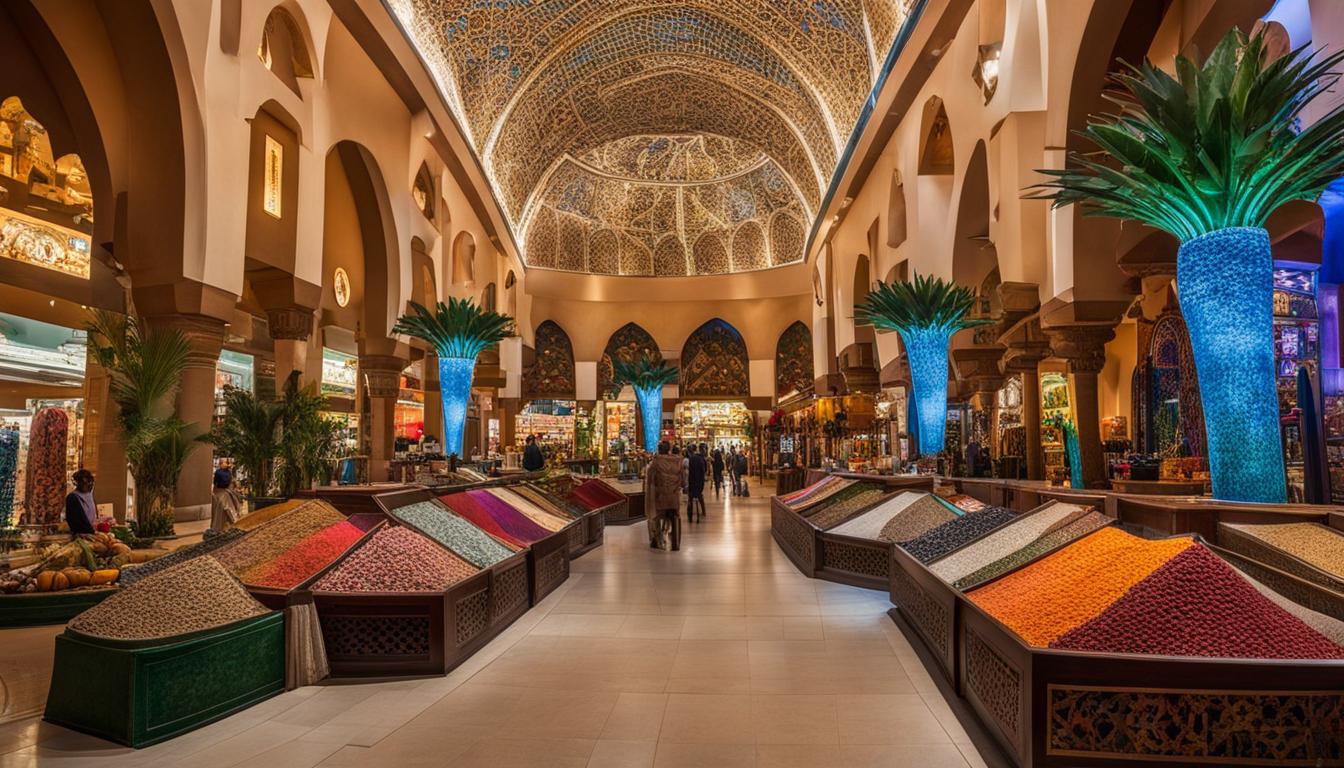
Souk El Had is the largest urban market in Morocco, housing more than 6,000 stalls that create a sensory wonderland. For a true taste of the morning, seek out the vendors flipping Msemen. These flaky, square Moroccan pancakes are best enjoyed warm with a drizzle of local honey. Nearby, you'll find golden Sfenj, traditional donuts that are crispy on the outside and airy within. When buying spices to take home, keep these tips in mind:
- Look for vibrant colors and strong, pungent aromas that indicate freshness.
- Purchase whole seeds rather than ground powders to preserve the essential oils.
- Negotiate with a smile; it's a social interaction where a 20 percent discount is often possible.
- Choose stalls with a high volume of local shoppers to ensure the highest food safety standards.
Dining with a View: Agadir’s Best Coastal Spots
As the sun begins its descent over the Atlantic, the Bay of Agadir transforms into a golden theater. Finding a romantic spot for a sunset feast is simple if you know where to look. Many establishments along the promenade balance traditional recipes with a sophisticated coastal ambiance. Whether you're craving a seafood tagine or a platter of grilled sardines caught that morning, the sea breeze adds a layer of serenity to your meal. To ensure you find a table at the most reputable establishments, consult our Agadir business directory for curated restaurant listings that prioritize quality and authenticity.
Agadir offers a rhythmic dining experience that follows the sun. To eat like a local, you must adjust your internal clock. Lunch is the day's anchor, typically enjoyed between 1:00 PM and 3:30 PM. This is when the most complex tagines and couscous dishes are served. Dinner is a later affair, rarely starting before 8:00 PM. In the vibrant Talborjt district or along the moonlit corniche, you'll find the liveliest crowds reaching their peak around 9:30 PM. Arriving early often means missing the soulful atmosphere that defines the evening.
Communication is the secret ingredient to a better meal. While many staff speak French or English, using a few Darija phrases opens doors to genuine hospitality. Start with "Afak" (please) and "Shokran" (thank you). If the meal is exceptional, tell your host it is "Bnin" (delicious). For those with dietary restrictions, Agadir is increasingly accommodating. Approximately 95% of traditional restaurants offer a vegetable tagine. If you're avoiding gluten, focus on the grilled "brochettes" or salads like Zaalouk. Always specify "Bla khobz" (without bread) to ensure your dietary needs are understood in smaller, local spots.
Tipping and Table Manners
Tipping is a vital part of the local economy and reflects the southern spirit of generosity. In casual cafes, rounding up the bill or leaving 5 to 10 dirhams is perfectly acceptable. At upscale establishments, a 10% tip is the standard for attentive service. When dining in more traditional settings, you'll experience the hand-washing ritual where a basin is brought to the table. Always use your right hand for eating, as the left is traditionally reserved for hygiene. If you find your plate being constantly refilled, a gentle "Hamdullah" (Praise be to God) accompanied by a hand over your heart signals that you're satisfied. It's the most polite way to decline more of the delicious moroccan food agadir has to offer.
Start Your Culinary Journey Today
The flavors of the Souss Massa region are waiting to be discovered. From the amber glow of argan oil to the fresh catch of the Atlantic, every meal in this city is an invitation to slow down and savor the moment. Agadir's food scene is a bridge between ancient Berber traditions and a bright, modern future. We invite you to explore every corner of our terroir, from the bustling markets to the elegant terraces overlooking the bay. Your seat at the table is ready. Discover the best restaurants in Agadir here and begin your exploration of authentic moroccan food agadir today.
Every meal in this coastal haven tells a story of the Atlantic tides and the ancient Amazigh traditions that define the Souss-Massa region. You've explored how the 300 days of annual sunshine infuse local staples like Taliouine saffron and Argan oil with a depth of flavor you won't find anywhere else. From the vibrant atmosphere of Souk El Had to the serene seaside terraces, the authentic essence of moroccan food agadir offers a perfect harmony between ancestral heritage and modern culinary craftsmanship. Our dedicated team of Agadir residents provides expert local insights to ensure your visit supports sustainable tourism while leading you to the most genuine dining experiences. We provide verified business listings with direct contact info so you can book your table with total confidence. Explore our curated directory of the best Moroccan restaurants in Agadir to begin your own unforgettable culinary journey. The legendary hospitality of the South is ready to welcome you with open arms and a steaming glass of mint tea.
What is the most famous dish to try in Agadir?
The Fish Tagine is the most iconic dish to experience in the city, typically prepared with fresh Atlantic catches and local argan oil. It's the heart of moroccan food agadir culture because it blends the sea's bounty with our region's golden terroir. You'll find it seasoned with cumin and preserved lemons at almost every seaside terrace. This dish captures the 300 days of sunshine we enjoy, offering a bright and savory experience that defines our regional identity.
Is the tap water in Agadir safe to drink?
You shouldn't drink tap water in Agadir; instead, opt for bottled mineral water which is readily available everywhere. Most visitors choose local brands like Sidi Ali or Oulmès to stay hydrated under our constant sun. While the city's water system meets safety standards for washing, bottled water prevents any digestive sensitivity during your travels. You can find 1.5 liter bottles for about 6 dirhams in any local grocery store or neighborhood "hanout."
Where can I find the best seafood in Agadir?
You'll find the freshest seafood at the Port of Agadir, specifically at the vibrant stalls near the fishing docks known as the "Marché de Poisson." Over 40 small outdoor grills serve sardines, calamari, and sea bream caught just hours before. It's a sensory feast where you pick your fish by weight. For a more refined setting, the restaurants along the Marina offer elegant plates with views of the 10 kilometer sandy bay and the Atlantic horizon.
Are there vegetarian options in Moroccan cuisine?
Moroccan cuisine is incredibly welcoming to vegetarians with its diverse array of cooked salads and vegetable-based stews. You must try the "Seven Vegetable Couscous" or a slow-cooked vegetable tagine infused with saffron from nearby Taliouine. These dishes highlight the richness of the Souss-Massa plains. When exploring moroccan food agadir, don't miss Zaalouk, a smoky eggplant dip that serves as a perfect starter for any plant-based meal. It's healthy, flavorful, and authentic.
How much does a typical meal cost in Agadir in 2026?
Based on 2024 economic projections and current tourism data, a typical mid-range meal in 2026 will likely cost between 150 and 300 Moroccan Dirhams per person. This price usually includes a starter, a main course like a tagine, and traditional mint tea. Street food remains much more affordable, with local favorites like "B'stilla" or "Harira" soup costing under 40 dirhams. Budgeting around 500 dirhams daily allows for a truly indulgent culinary journey through our sunny city.
What is Amlou and why is it special to Agadir?
Amlou is a delicious local spread made from toasted almonds, honey, and pure argan oil. It's special to Agadir because the argan trees only grow in this specific southwestern region of Morocco. Locals often call it "Moroccan Nutella," but it's far more nutritious and deeply connected to our Berber heritage. You'll enjoy it most when dipped with warm, crusty bread during a traditional breakfast overlooking the blue Atlantic waves. It's a true taste of our local terroir.
Do I need to make reservations for restaurants in Agadir?
You don't need reservations for most casual cafes or beachfront grills, but booking is essential for high-end dining establishments. For popular spots in the Marina or the city center, call at least 24 hours in advance to secure a table with a sunset view. Large groups of 6 or more people should always notify the restaurant ahead of time. This ensures our hosts can prepare the warm, personalized welcome that Agadir is famous for.
Is alcohol served in restaurants in Agadir?
Alcohol is served in many licensed restaurants, hotels, and bars throughout the tourist zones of Agadir. While it's not available in every local eatery or within the Souk El Had, you'll find a great selection of Moroccan wines and international beers in the beachfront resorts. We recommend trying a glass of "Gris," a unique Moroccan rosé, while watching the sun dip below the horizon. It's a sophisticated way to end a day of exploration in our coastal paradise.




Timlalin Domes
Hotels & Accommodation
Hilton Taghazout Bay Beach Resort & Spa
Hotels & Accommodation

Generation Cars location voiture Agadir, location voiture Agadir aéroport sans caution, Car rental Agadir
Transport & Car Rental

Centre Dentaire Amzil agadir
Health & Wellness
Own a business in Agadir?
Get discovered by thousands of visitors.