Magical Day Trips from Agadir: Your Ultimate Guide to Southern Morocco (2026)
What if the true soul of Morocco isn't found on your sun lounger, but just sixty minutes away behind a grove of ancient argan trees? It's a common...
What if the true soul of Morocco isn't found on your sun lounger, but just sixty minutes away behind a grove of ancient argan trees? It's a common worry for travelers that staying in a modern resort city means missing out on the authentic rhythm of North African life. You've come for the famous three hundred days of sunshine, yet you crave the scent of wild thyme and the sight of red-clay ramparts. Planning the perfect day trips from agadir shouldn't feel like a logistical puzzle or a gamble against tourist traps.
Whether you're curious about the 2026 updates for navigating local transport or deciding between a private driver and a rental car, we've gathered the essential details. This guide promises to lead you toward breathtaking landscapes and hidden oases located within a ninety-minute drive of the coast. We'll provide the clear logistics and local secrets you need to move beyond the poolside and forge a deeper connection with the Souss-Massa region. From the historic majesty of Taroudant to the emerald pools of Paradise Valley, your journey into the real Morocco starts right here.
- Discover why Agadir’s year-round sunshine and strategic location make it the perfect gateway to the soul-stirring landscapes of the Moroccan South.
- Uncover the sensory wonders of Paradise Valley, where the aromatic "Honey Road" leads to hidden turquoise pools and lush palm-fringed oases.
- Plan your ideal day trips from agadir with expert insights into the authentic charm of Taroudant and the exquisite silver craftsmanship of Tiznit.
- Experience the magic of the "Mini Sahara" dunes and the rare biodiversity of Souss-Massa National Park without the need for a long-distance desert trek.
- Master your journey’s logistics with our essential guide to choosing the right transportation and packing for the region’s diverse coastal and mountain climates.
- Beyond the Beach: Why Agadir is the Ultimate Gateway to Southern Morocco
- Oases and Surf: Exploring Paradise Valley and the Atlantic Coast
- Walled Cities and Silver: Cultural Journeys to Taroudant and Tiznit
- Sand Dunes and Wild Steppes: Venturing into the Mini Sahara and Massa
- Planning Your Perfect Agadir Excursion: Logistics and Local Tips
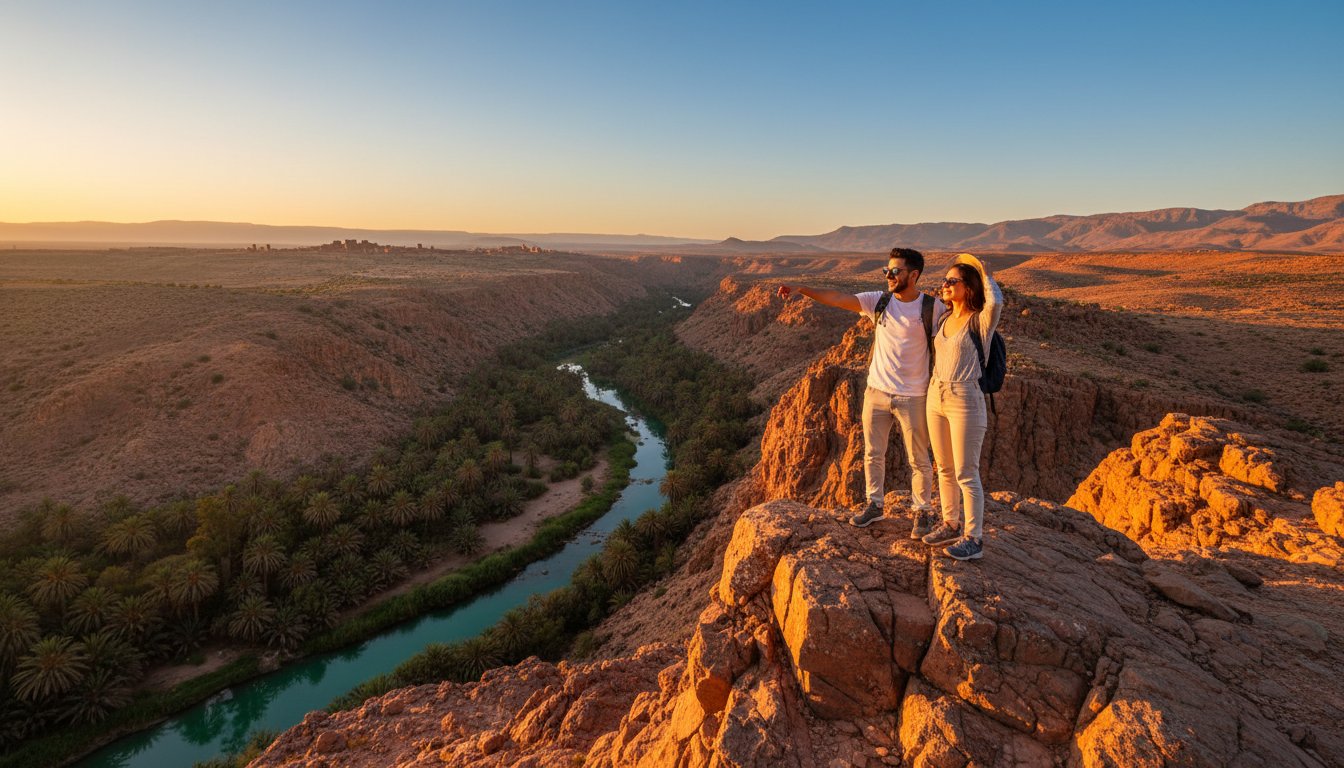
Agadir sits at a unique crossroads where the Atlantic horizon meets the rugged peaks of the Atlas and the golden whispers of the Sahara. This city is much more than a sun-drenched resort; it's the beating heart of the Souss-Massa region. Agadir serves as a perfect base for explorers who want to witness the raw, unfiltered beauty of Southern Morocco while enjoying modern comforts. With 300 days of sunshine annually, the weather rarely interrupts your plans. In this corner of the world, day trips from agadir typically involve a scenic journey of 60 to 180 minutes. These short drives transport you from palm-lined boulevards to ancient Berber villages where Amazigh traditions remain the pulse of daily life. You'll find a blend of modern Moroccan hospitality and a heritage that feels timeless, rooted in a deep pride for the land and its history. To better understand the magic of these surroundings, watch this helpful video:
The Souss-Massa Region: A Tapestry of Landscapes
The land surrounding the city is a living mosaic. You can wander through lush river deltas in the morning and stand on arid mountain peaks by the afternoon. This hinterland offers a profound sense of serenity that the bustling city center cannot match. It's a world defined by terracotta walls and azure horizons. Leaving the coast reveals the true soul of the south, where the air smells of argan oil and the landscape promises an authentic escape.
Planning for the "Solar" Lifestyle
Life here follows the rhythm of the sun. Smart travelers start their day trips from agadir early, often departing by 8:00 AM. This timing lets you capture the soft morning light hitting the mountain ridges before the midday heat settles over the interior plains. To find professional guides who understand these local nuances, consult the Agadir business directory
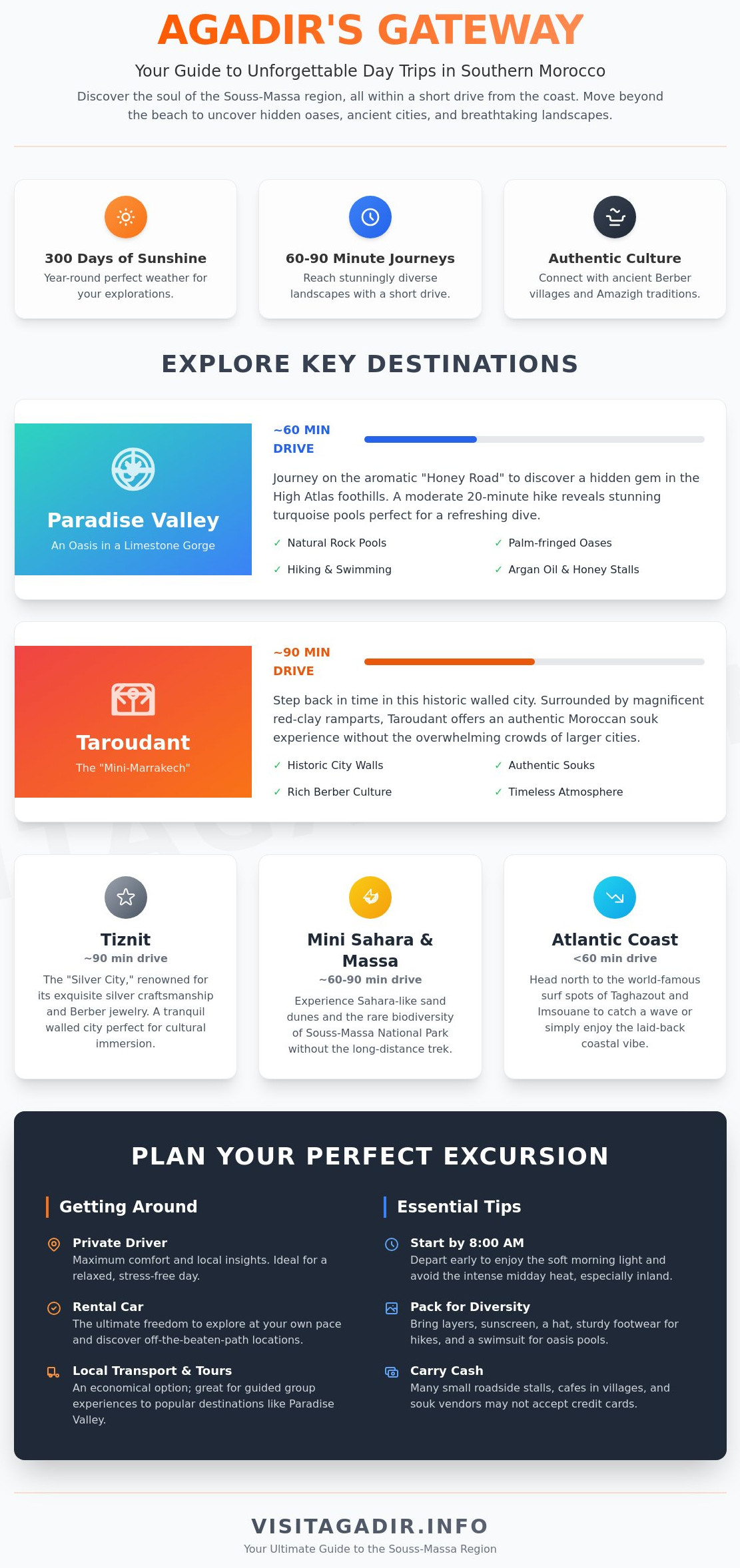
The journey begins on the legendary Honey Road, a winding path that snakes through the foothills of the High Atlas mountains. As you leave the coast, the air changes, carrying the scent of wild thyme, lavender, and rosemary. This aromatic route serves as the gateway to some of the most breathtaking day trips from agadir, where the rugged terrain of the Souss-Massa region reveals its hidden emerald treasures. You'll pass small roadside stalls selling jars of golden cactus honey and pure argan oil, products of a terroir that has remained unchanged for centuries.
Paradise Valley: Nature’s Hidden Cathedral
Paradise Valley is a limestone gorge filled with natural rock pools and palm trees. To reach the heart of this oasis, you'll embark on a moderate 20-minute hike from the designated parking area. The trail is well-trodden but requires sturdy footwear as you navigate smooth river stones and narrow ledges. Once you arrive, the sight of turquoise water against white limestone walls creates a stark, beautiful contrast. It's a place where the 300 days of annual sunshine illuminate the deep pools, inviting you to dive into the refreshing mountain water.
The cultural heartbeat of this region lies in the village of Imouzzer Ida Outanane, situated at an elevation of nearly 1,200 meters. This area is world-renowned for its traditional honey festivals and the production of "Liquid Gold," or argan oil. For those planning a broader itinerary, the official tourism site for Morocco provides excellent context on the botanical diversity of these mountain foothills. The local Berber communities have harvested these resources with deep respect for the land, offering visitors a glimpse into a lifestyle defined by serenity and hospitality.
Taghazout and Imsouane: The Spirit of the Atlantic
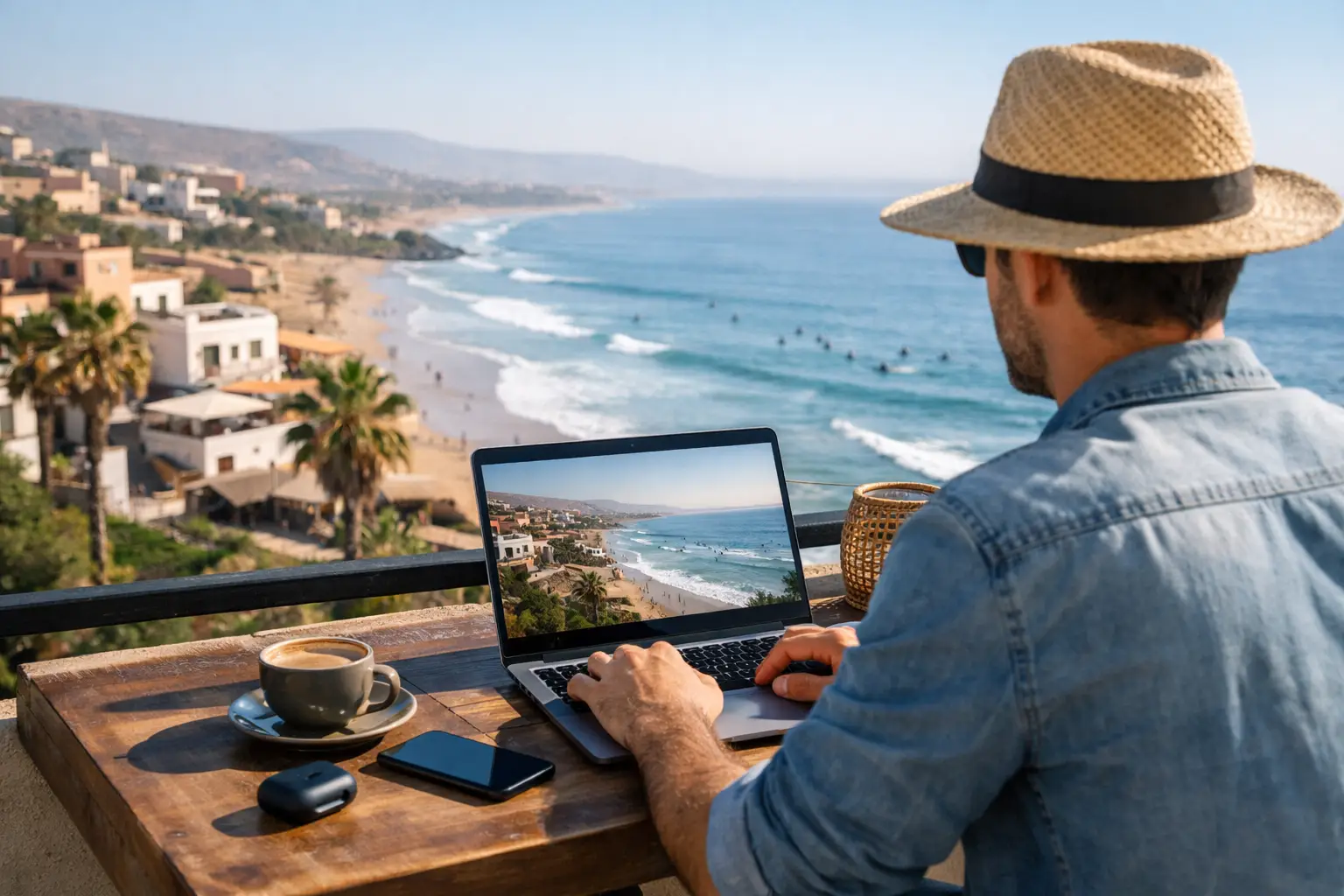
Heading north along the coastline, the landscape shifts from rocky mountains to dramatic cliffs and golden sands. You'll likely spot the famous "Goats on Trees" along the N1 road; these agile animals climb the thorny Argania spinosa trees to reach the bitter fruit. This phenomenon is a staple of day trips from agadir and offers a perfect photographic moment before you reach Taghazout. Once a quiet fishing village, Taghazout has evolved into a global surf and yoga mecca. It's the ideal spot for a "chill" afternoon, where you can sip mint tea in a colorful rooftop cafe while watching the Atlantic swells roll in.
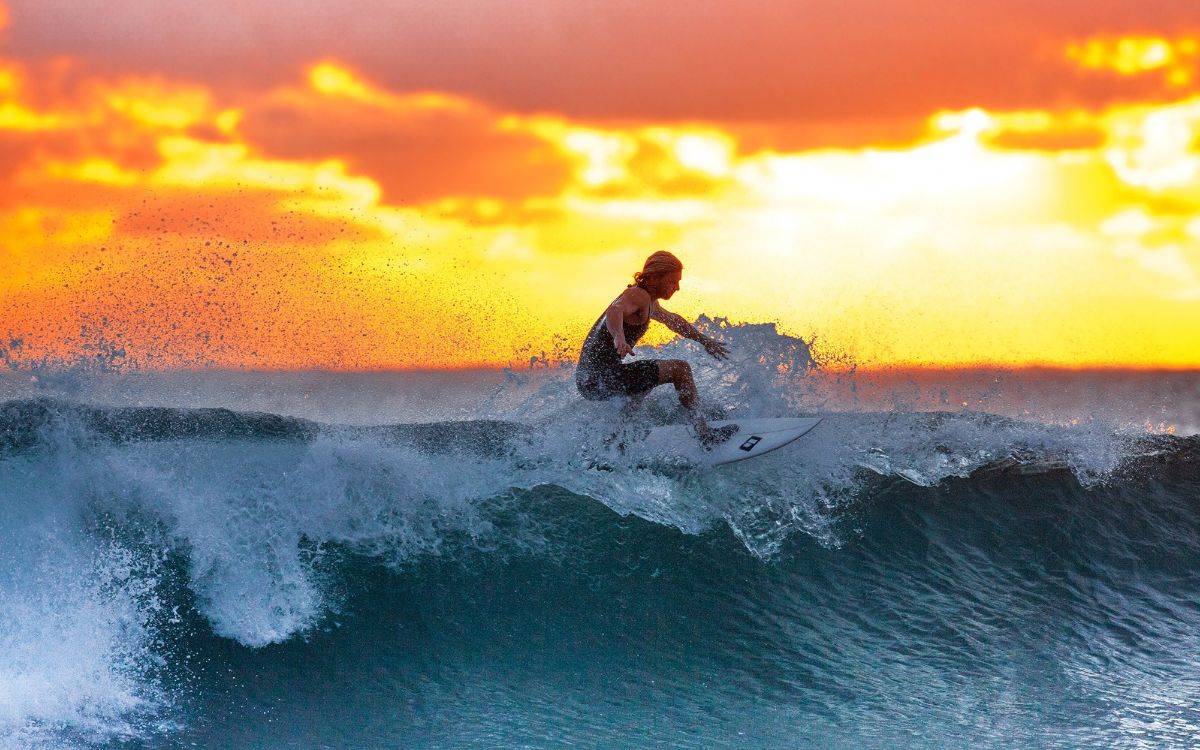
For a deeper coastal escape, Imsouane beckons further north. Known as the "Magic Bay," it boasts one of the longest waves in the world, often stretching up to 800 meters during peak conditions. The atmosphere here is timeless. You can watch the blue wooden boats return to the harbor with the day's catch and then enjoy a fresh seafood lunch, grilled right on the docks. You can discover more hidden coastal gems by exploring our curated local maps. Whether you're chasing the perfect wave or a quiet moment by the shore, this stretch of the Atlantic coast promises an authentic escape from the modern world.
Step away from the refreshing Atlantic breeze to discover the ochre hued majesty of the Moroccan hinterland. These cultural day trips from agadir invite you to explore Taroudant and Tiznit, two gems where time follows the gentle rhythm of the sun. While many visitors begin their holiday with a perfect day in Agadir, venturing inland reveals the true soul of the Souss Massa region. Here, the architectural beauty of the red pisé walls, crafted from ancient mud brick techniques, guards centuries of Berber and Arab heritage.
Both cities offer a more authentic experience than the bustling hubs of the north. You'll find that the souks here provide significantly better value for handicrafts. Without the intense pressure of the "hard sell" found in larger cities, you can browse hand woven rugs and intricate pottery with a sense of serenity. It's a chance to connect with local artisans who take immense pride in their terroir.
Taroudant: The Red City of the Souss
Often called "Little Marrakech," Taroudant offers the same vibrant colors as its famous neighbor but at a much slower, more inviting pace. The city is defined by its 6km of magnificent 16th century ramparts. The best way to appreciate these fortifications is by taking a traditional horse drawn carriage, or caleche. As the horse's hooves clatter against the stone, you'll see the 130 towers that have protected this former capital for generations.
For a cool retreat from the midday heat, head to the hidden gardens of Palais Salam. This former pasha's residence is an oasis of palms and fountains that feels worlds away from the desert sun. When you're ready to shop, the Arab and Berber souks offer a masterclass in Moroccan craftsmanship. Look for high quality leather goods and saffron from nearby Taliouine. The atmosphere is friendly; a simple "Non, merci" is always respected by the local vendors.
Tiznit: The Art of the Berber Silversmith
Travel south to Tiznit, the undisputed capital of Berber silver and the gateway to the rugged Anti-Atlas mountains. Enclosed by 5km of crenellated walls built in 1881, the city center holds the legendary "Blue Fountain." Local history tells of a woman named Lalla Zninia who found water here, leading to the city's founding. Today, it remains a symbolic heart of the community.
Tiznit is the premier destination for authentic jewelry. When shopping, look for the "tête de bélier" (ram's head) hallmark, which guarantees the silver's purity. The artisans here specialize in filigree and enamel work that you won't find elsewhere. If you have time before returning to Agadir, take a short 40 minute detour to the coastal village of Mirleft. The dramatic sea arches of Legzira beach provide a stunning natural contrast to the intricate silverwork of the city, rounding off your journey with the raw beauty of the Atlantic coast.
You don't need a grueling 10-hour drive to Merzouga to feel the pulse of the desert. Some of the most captivating day trips from Agadir lead you south to the "Mini Sahara" of Rasmouka. The journey begins with a stop at the Youssef Ibn Tachfine dam, a massive engineering feat that holds millions of cubic meters of water. The sight is breathtaking; the deep blue reservoir creates a sharp, shimmering contrast against the surrounding orange earth and sun-bleached hills. It's a perfect introduction to the region's dramatic shifts in color and texture.
The thrill intensifies as you leave the paved roads behind. Professional drivers take you on a 4x4 off-roading adventure through coastal dunes and wild steppes. This isn't just a transit; it's an immersive experience where the roar of the engine meets the silence of the arid plains. You'll navigate sandy tracks that reveal the raw, unpolished beauty of the Souss-Massa landscape, eventually reaching the edge of the dunes where the Atlantic breeze meets the heat of the land.
The Mini Sahara: A Taste of the Great Erg
The Rasmouka dunes offer a Saharan landscape just an hour south of Agadir. Here, you can experience the timeless rhythm of the desert through camel treks across the golden crests. If you're seeking a surge of adrenaline, sandboarding down the slopes provides a unique way to engage with the environment. After your desert exploits, the experience shifts toward the heart of Moroccan culture. Many tours include lunch with a local Berber family, where you'll share a traditional tagine in a setting that defines southern hospitality. It's an authentic exchange that goes beyond simple sightseeing, allowing you to connect with the people who have called these sands home for generations.
Souss-Massa National Park: Where the River Meets the Sea
Created in 1991, the Souss-Massa National Park spans 33,800 hectares of protected wetlands, dunes, and cliffs. It's an ecological treasure, particularly the Massa River estuary, which serves as a vital sanctuary for migratory birds. Birdwatchers travel from across the globe to catch a glimpse of the rare Northern Bald Ibis. Thanks to conservation efforts, the park now hosts the world's largest wild population of this endangered species, with recent counts showing over 140 breeding pairs.
The park's coastline is equally fascinating. As you walk along the rugged cliffs, you'll discover troglodyte dwellings carved directly into the rock. Local fishermen still use these cave homes today, maintaining a lifestyle that has remained unchanged for decades. Sustainable tourism is essential in this fragile habitat. Visitors are encouraged to stay on designated paths and hire local park-certified guides to ensure the wildlife remains undisturbed. This approach protects the nesting sites of flamingos and spoonbills while supporting the local economy.
Planning your journey through the Souss-Massa region is the first step toward a transformative experience. The golden light of our region invites you to explore, but a little preparation ensures your focus remains on the breathtaking scenery rather than the logistics. Whether you are chasing the Atlantic breeze or the silence of the Anti-Atlas mountains, these practical insights will help you craft seamless day trips from Agadir.
Self-Drive vs. Guided Tours: Which is Right for You?
Driving in the Souss-Massa offers a sense of liberation that fits the vast, open landscapes. Our main roads are well-maintained, with the N1 coastal route providing stunning vistas at every turn. Renting a car is ideal if you crave the freedom to linger at a roadside argan cooperative or a hidden beach. However, navigating rural tracks can be challenging for the uninitiated. A local guide adds a layer of depth that no app can provide, sharing ancestral stories and taking you to "secret" spots off the digital map. To find professional drivers and certified agencies, consult the Visit Agadir directory for a list of reputable transport providers.
The Traveler’s Toolkit for 2026
Connectivity ensures safety and spontaneity. Pick up a local SIM card at Agadir Al Massira Airport; they're affordable and offer excellent 4G coverage even in remote valleys. Always download offline maps, as the deep canyons of the hinterland can occasionally swallow your signal. When you arrive in rural villages, remember that hospitality is our greatest pride. Dress modestly by covering your shoulders and knees to show respect for local customs. If you wish to capture the beautiful faces of our people, always ask for permission first with a warm smile.
Grand Taxis are the traditional way to navigate the region. These large vehicles operate on fixed routes between towns. You can buy a single seat for a budget-friendly shared experience or pay for all six seats to enjoy a private, direct transfer. Always confirm the total price with the driver before you depart to keep the experience stress-free.
Pack these essentials for your adventure:
- High-SPF Sunscreen: Our region enjoys 300 days of sun, and the reflection off the white sands is powerful.
- A Light Cotton Scarf: This versatile tool protects against the midday heat and the cool "Chergui" winds.
- Portable Power Bank: Between GPS use and capturing the azure horizon, your battery will drain quickly.
Embrace the "slow travel" rhythm of the Moroccan South. Don't try to rush through your itinerary. The true magic of our terroir is found in the slow sip of mint tea and the lingering sunset over the dunes. Let the warmth of our hospitality lead the way.
Agadir's 300 days of annual sunshine offer more than just a perfect tan; they serve as your golden ticket to the diverse landscapes of the Souss Massa region. Whether you're trekking through the palm groves of Paradise Valley or admiring the 16th-century ramparts of Taroudant, these day trips from agadir transform a simple holiday into a deep cultural immersion. You'll experience the authentic soul of Morocco while supporting the local ecosystems that make this corner of the world so unique. We've simplified your planning process by gathering everything you need in one place. Our resources provide expert local insights and a dedicated focus on sustainable tourism to protect our beautiful heritage for 2026 and beyond. You can browse our verified business listings with confidence, knowing each partner meets our high standards for quality and hospitality. It's time to step beyond the resort and let the vibrant light of the south guide your path.
We can't wait to share the magic of our home with you.
What is the best day trip from Agadir for families with young children?
Crocoparc is the premier choice for families with young children because it offers a safe, educational sanctuary just 15 minutes from the city center. This lush botanical garden is home to 325 Nile crocodiles and features specialized play areas designed for little explorers. It's the most relaxing of all day trips from Agadir, allowing parents to enjoy the sunshine and nature without the fatigue of a long car journey.
Can I visit Marrakech as a day trip from Agadir?
You can visit Marrakech as a day trip, though it involves a 250 kilometer journey each way via the modern A7 highway. The drive takes approximately 3 hours. Most travelers depart at 7:00 AM to maximize their time in the Red City before returning by 8:00 PM. While it's a long day, the efficient road network makes this one of the most popular day trips from Agadir for those eager to see the Jemaa el-Fnaa square.
Is it safe to drive a rental car in the Souss-Massa region?
Driving a rental car in the Souss-Massa region is safe and straightforward due to the high quality of primary roads like the N1. Local authorities maintain strict traffic enforcement to ensure safety for all motorists, and you'll find clear signage in both Arabic and Latin scripts. Stick to the 100 km/h speed limit on expressways and 60 km/h in urban zones to navigate the beautiful landscape with total peace of mind.
How much should a private day trip from Agadir cost in 2026?
Private day trip costs in 2026 depend on current fuel indices and the specific itinerary chosen by the traveler. The Moroccan National Tourism Office suggests that rates for professional transport services are regulated to ensure fair pricing for international visitors. You should expect to pay for the vehicle, driver, and fuel as a transparent package. Booking through licensed agencies ensures you receive a quote that reflects the current economic standards and high service quality.
What should I wear when visiting rural villages like Taroudant or Tiznit?
Choose modest clothing that covers your shoulders and knees to honor the hospitality of rural villages like Taroudant. Breathable fabrics like linen or cotton will keep you comfortable under the golden sun while you admire the local craftsmanship. Carrying a light scarf is a wonderful way to adapt to the serene atmosphere of these historic walled towns, ensuring your visit is both respectful and stylish. It's an easy way to connect with the local culture.
Do I need a 4x4 vehicle for most day trips around Agadir?
You don't need a 4x4 vehicle for most popular excursions because 95% of the main tourist routes are fully paved. Standard sedans or compact cars easily reach destinations like the Honey Road or the Atlantic coast. You only need a 4x4 if you plan to explore the deep dunes of the Small Sahara or specific off-road trails in the Anti-Atlas mountains. Most rental agencies provide reliable 2WD vehicles that handle the local terrain perfectly.
Is Paradise Valley currently open and is there water in the pools?
Paradise Valley is currently open to the public and continues to welcome visitors to its iconic limestone pools. Water levels are highest between January and April following the seasonal rains, creating a true azure oasis. During drier months, the palm groves still offer breathtaking scenery and a serene atmosphere for hikers. Check local weather reports from the Moroccan Directorate General of Meteorology for the most accurate updates on water conditions before you plan your journey.


Timlalin Domes
Hotels & Accommodation
Hilton Taghazout Bay Beach Resort & Spa
Hotels & Accommodation

Generation Cars location voiture Agadir, location voiture Agadir aéroport sans caution, Car rental Agadir
Transport & Car Rental

Centre Dentaire Amzil agadir
Health & Wellness
Own a business in Agadir?
Get discovered by thousands of visitors.