
Agadir Shopping for Souks, Malls, and Local Finds
Discover where to shop in Agadir, from the lively Souk El Had to modern malls, artisan markets, local boutiques, and regional products worth taking home.
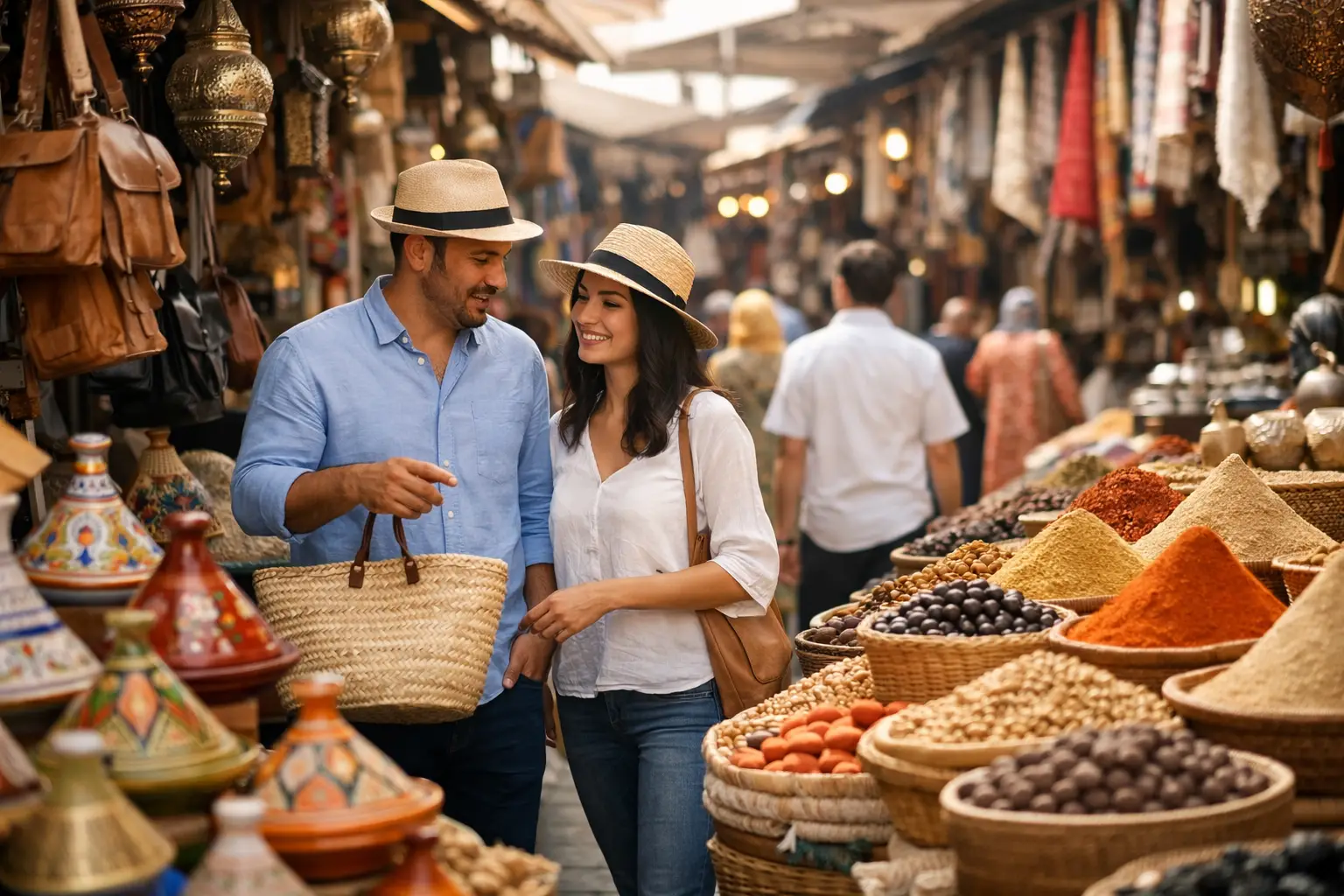
The best Agadir shopping day rarely starts in a mall. It starts with the scent of spices at Souk El Had, a display of handwoven baskets, or a shopkeeper showing you an argan oil bottle and explaining where it was made. This is a city where practical errands and memorable finds sit side by side, whether you need beachwear, a suitcase, Moroccan ceramics, or a gift that will not feel like an airport souvenir.
Agadir is easier to shop than many first-time visitors expect. Major retail areas offer fixed prices and familiar brands, while the city’s large market delivers the color, conversation, and bargaining that many travelers come to Morocco hoping to experience. The key is knowing what to buy where, and allowing enough time to browse without rushing.
Where to Start Your Agadir Shopping
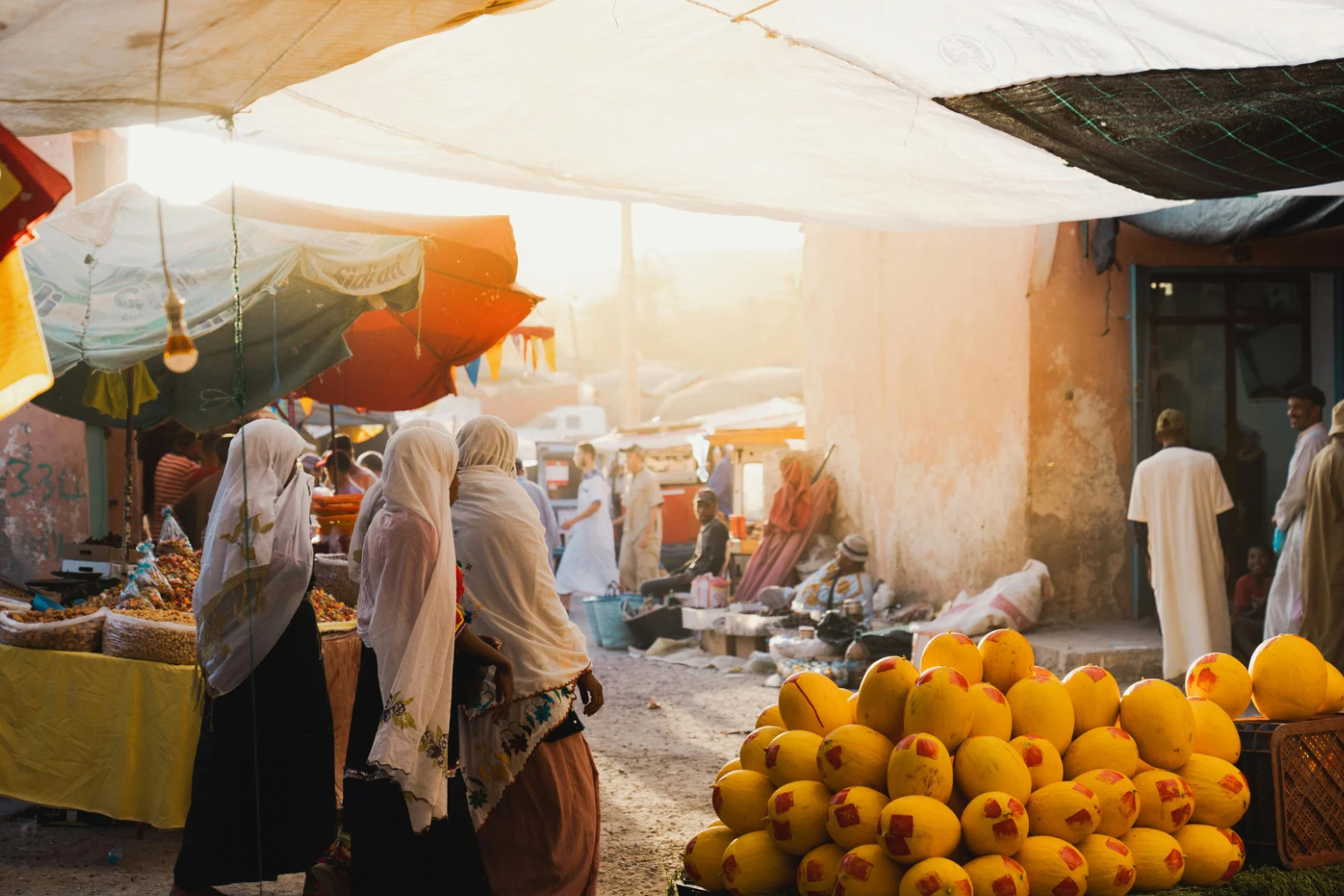
For a classic market experience, head to Souk El Had. This vast enclosed market is one of Agadir’s essential stops, with multiple entrances and lanes that can feel like a small city. It is the right place for spices, tea glasses, tagines, slippers, leather goods, clothing, produce, dates, nuts, household items, and simple souvenirs.
Come with an idea of what you want, but leave room for surprise. One lane may be full of colorful babouches, while another is devoted to fabric or kitchenware. Prices and quality vary widely, which is part of the experience. A painted bowl may be decorative rather than food-safe, and a bottle labeled argan oil may contain a blend rather than pure cosmetic oil. Ask questions, compare a few stalls, and inspect items before committing.
If you prefer an air-conditioned, fixed-price experience, Agadir’s retail centers and supermarkets are useful for clothing, cosmetics, electronics accessories, snacks, travel essentials, and familiar brands. These are especially convenient for families, digital nomads, and travelers who need something specific without negotiating. The trade-off is simple: less local character, but more predictable pricing and a faster visit.
The Marina is another pleasant place to browse, particularly around sunset. Its boutiques, cafés, and waterfront setting make it a relaxed option for resort wear, accessories, gifts, and an easy break between beach time and dinner. Prices here can be higher than in the souk, but the setting is part of what you are paying for.
What Makes the Best Local Gifts
Agadir’s coastal setting and Amazigh heritage shape many of the most appealing purchases. Rather than buying the first item that catches your eye, think about what you will genuinely use, carry home safely, or give with a story.
Argan oil and beauty products
The Souss region is closely associated with argan trees, so argan oil is one of the most popular purchases in Agadir. It is sold for cosmetic use and for culinary use, and they are not interchangeable. Cosmetic argan oil is usually used on skin and hair, while culinary oil has a roasted, nutty flavor and belongs in the kitchen.
Look for clear labeling, a sealed bottle, and information about the ingredients. Pure argan oil should not have a strong artificial perfume. If a product is unusually cheap, treat that as a reason to check the label more closely, not necessarily as a great deal. Cooperative-made products can be a meaningful choice, but quality still matters more than a sales pitch.
Spices, tea, and edible souvenirs
Spices are easy to pack and bring a little of Morocco home with you. Ras el hanout, cumin, paprika, saffron, preserved lemons, olives, dates, and amlou are all worth considering. Amlou, a rich spread made with almonds, argan oil, and honey, is especially popular with visitors who want something beyond the usual souvenir shelf.
Buy food products from clean, busy stalls where turnover is likely to be high. If you are flying internationally, check your home country’s customs rules before loading up on fresh produce or products with restricted ingredients. Sealed spices, sweets, and packaged pantry goods are generally the simplest choices for travelers.
Crafts with regional character
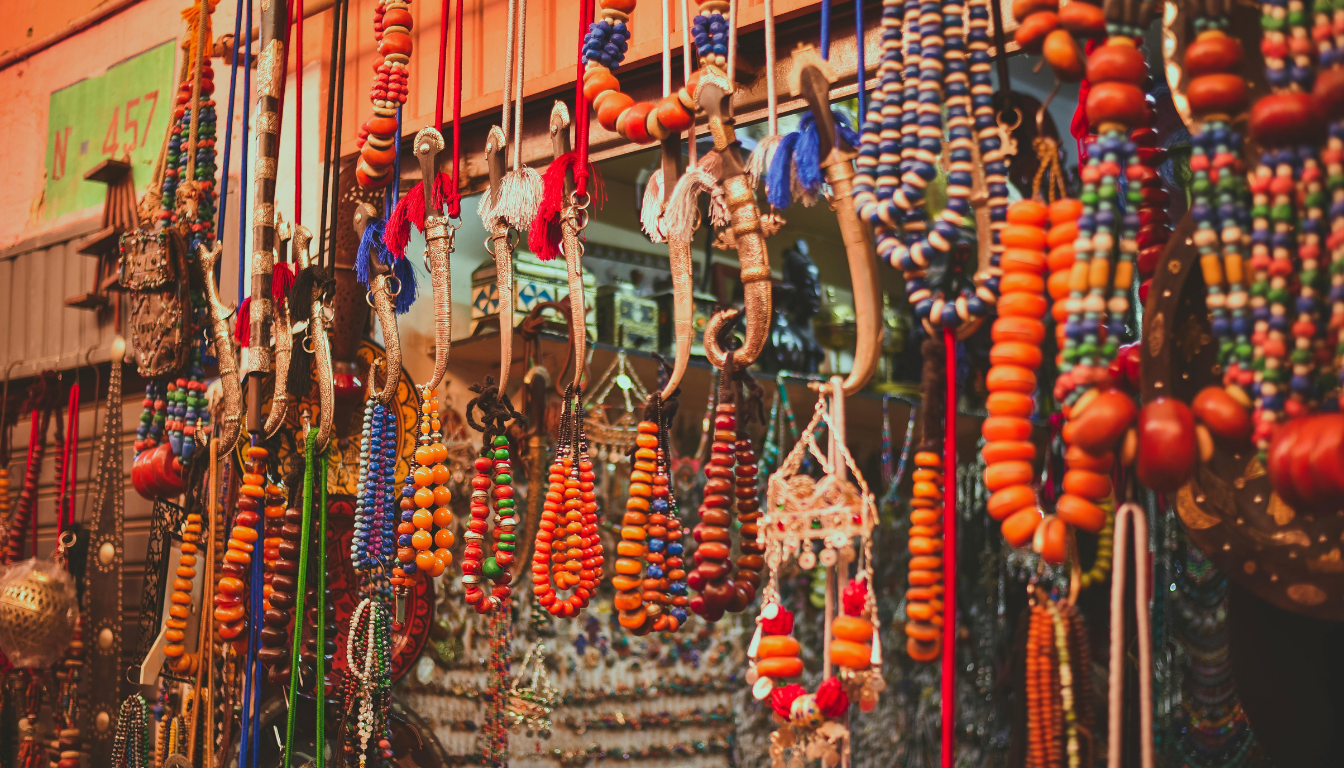
Handmade ceramics, woven rugs, baskets, silver jewelry, woodwork, and leather slippers can make excellent keepsakes. Agadir is a good place to find Amazigh-inspired designs, but handwork comes in many quality levels. Take a close look at stitching, paintwork, clasps, and edges. For rugs, ask about materials, dimensions, and whether the price includes any packing help if you are purchasing a larger piece.
A small tray, textile, or hand-painted bowl is often easier to travel with than a large decorative item. If you do buy ceramics, ask the seller to wrap them well, then place them in the center of checked luggage surrounded by clothing. Fragile items in a thin shopping bag are unlikely to enjoy the flight home.
How Bargaining Works at the Souk
Bargaining is common at Souk El Had and in independent souvenir stalls. It is not usually expected in supermarkets, malls, pharmacies, or shops with clearly marked fixed prices. Reading the setting correctly keeps the interaction comfortable for everyone.
Start by asking the price politely, then decide what the item is worth to you. If the opening price feels high, make a lower counteroffer with a friendly tone. Sellers may offer tea, explain craftsmanship, or quote a different price if you buy more than one item. This is normal conversation, not pressure to purchase.
The best approach is calm and respectful. Do not bargain intensely over a small amount if you would be happy to pay it, and do not make an offer you have no intention of honoring. If the price does not work for you, a smile and a simple thank you are enough. Walking away is acceptable, but it should never be theatrical.
Cash gives you the most flexibility in the market, especially for smaller purchases. Carry a mix of smaller Moroccan dirham notes rather than expecting every vendor to have change for large bills. Cards are more common at larger stores, hotels, malls, and some established boutiques, but do not rely on them inside the souk.
Timing, Comfort, and Practical Tips
Shopping in Agadir is more enjoyable when you plan around the heat. Morning is often the best time for Souk El Had, when the lanes are cooler and you have more energy to compare stalls. Late afternoon can also be pleasant, though it may be busier. Hours can shift during religious holidays and Ramadan, so confirm opening times locally when you arrive.
Wear comfortable shoes, keep your phone and wallet secure, and bring a reusable bag for lighter purchases. The market is large enough that it helps to save a pin on your map or remember which gate you used. If you spot an item you like early on, take a photo of the stall number or nearby landmark before continuing. Finding the same lane again is not always as easy as it seems.
For higher-value purchases such as jewelry, rugs, or leather goods, take your time. Compare at least two or three options and ask about materials rather than focusing only on the first price. A well-made item can be worth paying more for, while a bargain that breaks after a week is not much of a souvenir.
Beyond the City Center
A shopping day can also become a reason to explore beyond central Agadir. Taghazout and Tamraght are better known for surf culture, but their small shops can be good for casual clothing, boardsport accessories, beach-friendly gifts, and laid-back cafés between stops. Tiznit, farther south, is particularly known for silver jewelry and makes a rewarding day trip for travelers who want a more specialized craft-shopping experience.
These places are not substitutes for Souk El Had. They offer a different rhythm. Agadir gives you scale and convenience, while nearby towns can offer a quieter browse and a stronger connection to a particular craft or coastal lifestyle.
Visit Agadir can help you spot local stores, markets, cafés, and nearby neighborhoods worth adding to your route. Build in time for a pause after the shopping bags start to fill: mint tea by the marina, fresh juice near the market, or a long lunch before returning to the beach.
The most satisfying purchase is usually not the biggest one. Choose the spice blend you will cook with, the slippers you will actually wear, or the small handmade piece that brings back the sound and color of Agadir each time you see it.
Keywords: Agadir shopping





Own a business in Agadir?
Get discovered by thousands of visitors.