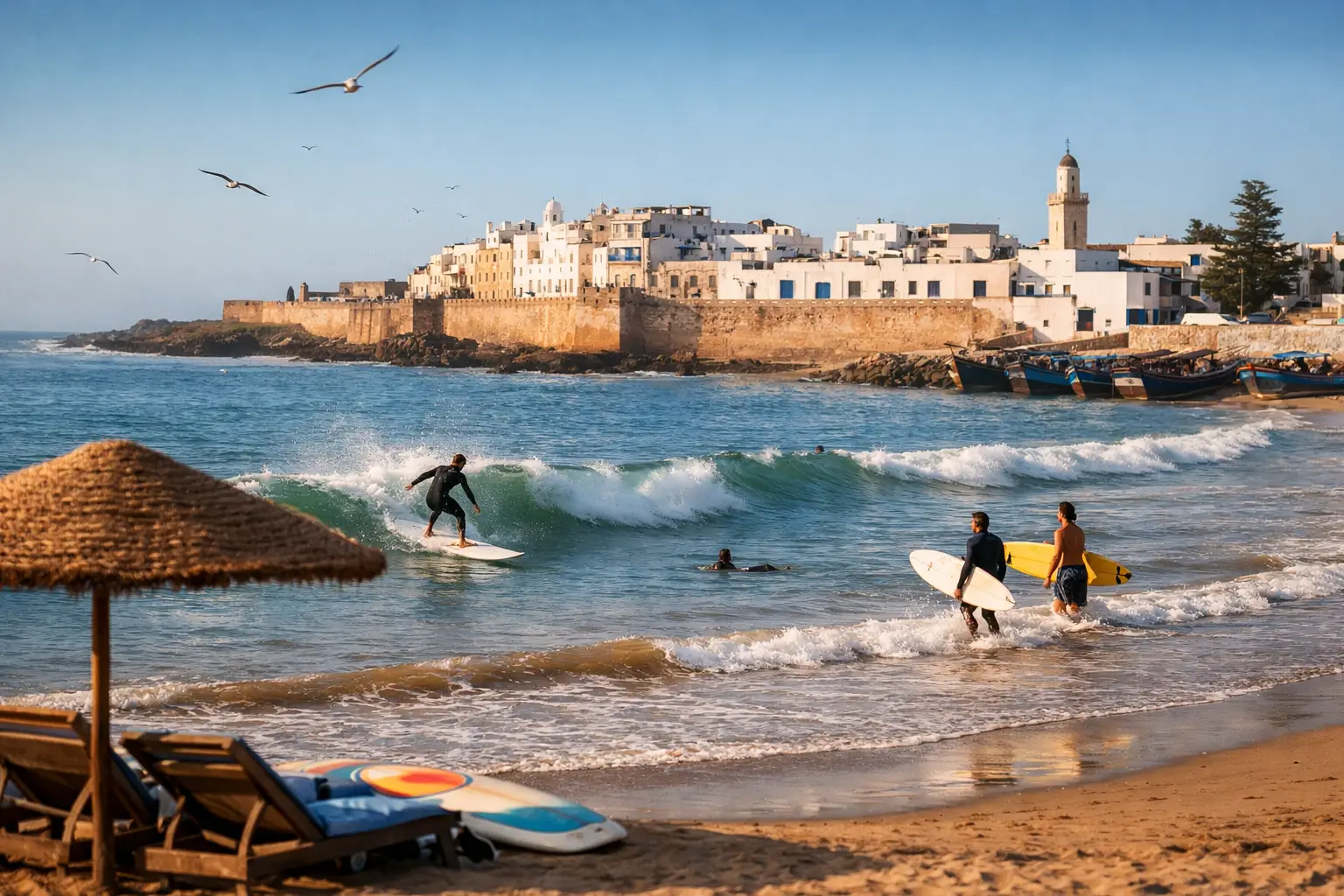
When to Visit Essaouira for Sun, Surf, and Souks
Wondering when to visit Essaouira? Discover the best seasons for sunny beaches, surfing, exploring the medina, and enjoying the city's famous souks and festivals.
Essaouira rarely feels like Morocco’s hottest cities. Atlantic breezes sweep through its blue-and-white medina, cool the beach, and give the old port its unmistakable energy. That wind is also the key to deciding when to visit Essaouira: it can make a summer afternoon wonderfully refreshing or turn a beach day into a sweater-and-sand situation.
For most travelers, spring and early fall offer the easiest balance of pleasant temperatures, lighter crowds, and time to enjoy both the medina and the coast. But Essaouira is not a one-season destination. Surfers, wind sports fans, festival-goers, couples, families, and travelers escaping a northern winter may each find their perfect time at a different point on the calendar.
When to Visit Essaouira: A Quick Answer
Visit from April through June or September through October for the most comfortable all-around trip. Days are generally warm without the intense heat found in Marrakech or Agadir, and you can explore the ramparts, shops, galleries, cafes, and harbor at a relaxed pace.
Choose July and August if you want lively summer atmosphere and reliable wind for kitesurfing or windsurfing. Come between November and March for a quieter, more affordable stay, especially if your plans center on surf sessions, food, culture, and long medina walks rather than swimming.
The city’s weather changes quickly with the ocean breeze, so bring layers in every season. A sunny morning can become cool and windy by late afternoon, particularly near the beach and Skala ramparts.
Spring: The Best All-Round Season
From April to June, Essaouira feels bright, active, and easy to explore. Daytime temperatures are usually comfortable for sightseeing, outdoor lunches, camel rides on the beach, and day trips into the surrounding countryside. The Atlantic keeps conditions cooler than inland Morocco, which is a major advantage if you are visiting the region during late spring.
This is an excellent season for travelers who want variety. Spend a morning wandering the medina’s narrow lanes, stop for grilled fish near the port, then head toward the beach without needing to organize your day around extreme heat. Restaurants, riads, and activity providers are open and welcoming, while the atmosphere is generally calmer than peak summer.
May and June can bring stronger winds, which are great for experienced wind sports visitors but may feel brisk for travelers hoping for still, sunbathing weather. If a calm beach is your top priority, expect more reliable swimming conditions in protected spots than on the open beach.
Summer: Best for Wind Sports and Coastal Energy
July and August are Essaouira’s busiest months. While other Moroccan destinations can become very hot, Essaouira stays comparatively moderate thanks to the Atlantic. That makes it a smart summer choice for travelers who want Moroccan culture, beach scenery, and outdoor activity without the strongest inland heat.
The trade-off is wind. Essaouira is often called the Wind City of Africa for good reason. Afternoon gusts are common, and the beach comes alive with kitesurfers, windsurfers, and surf schools. If your ideal afternoon involves learning to kitesurf, riding waves, or watching colorful kites arc over the water, summer is hard to beat.
For families and casual beachgoers, mornings are often the most comfortable time by the sea. Plan your beach walk, horseback ride, or relaxed coffee early, then return to the medina when the wind picks up. Summer also brings higher prices and greater demand for well-located riads, so reserving accommodations and popular activities ahead is sensible.
Is Essaouira Too Windy in Summer?
Not if you choose it for the right reasons. The wind is part of the destination’s character, not a flaw in the forecast. It keeps the city cooler, supports a thriving water sports scene, and gives the broad beach a dramatic, open feel.
Still, travelers expecting a quiet, sheltered Mediterranean-style beach vacation may prefer another coastal base or should book a hotel with a pool and use Essaouira for culture, food, and active days outdoors. A light jacket, sunglasses, and a scarf make a surprising difference in summer.
Fall: Warm Days Without Peak-Season Pressure
September and October are often the sweet spot for travelers who want a relaxed coastal escape. The summer rush begins to ease, the ocean may retain some warmth, and daytime conditions remain pleasant for walking, surfing, and dining outside.
September can still feel lively, especially around the beach and medina, while October often brings a more laid-back pace. This is a particularly good time for couples, digital nomads, and visitors combining Essaouira with Agadir, Taghazout, Marrakech, or a road trip through southern Morocco.
Wind remains part of daily life, but it is often less relentless than at the height of summer. Weather is never guaranteed on the Atlantic coast, so travelers focused on water sports should check current local conditions rather than relying on seasonal averages alone.
Winter: Quiet Streets, Surf Swells, and Cozy Evenings
From November through March, Essaouira becomes a different kind of getaway. The medina is quieter, accommodations can offer better value, and the city’s cafe culture becomes especially appealing. This is the season for slow breakfasts, art galleries, seafood lunches, hammam visits, and sunset walks along the fortified walls.
Winter temperatures are mild compared with much of North America and Europe, but evenings can be chilly and rainy periods are possible. Pack a waterproof outer layer, closed shoes, and warm clothes for night. The sea is also cooler, so swimming is less appealing for many visitors.
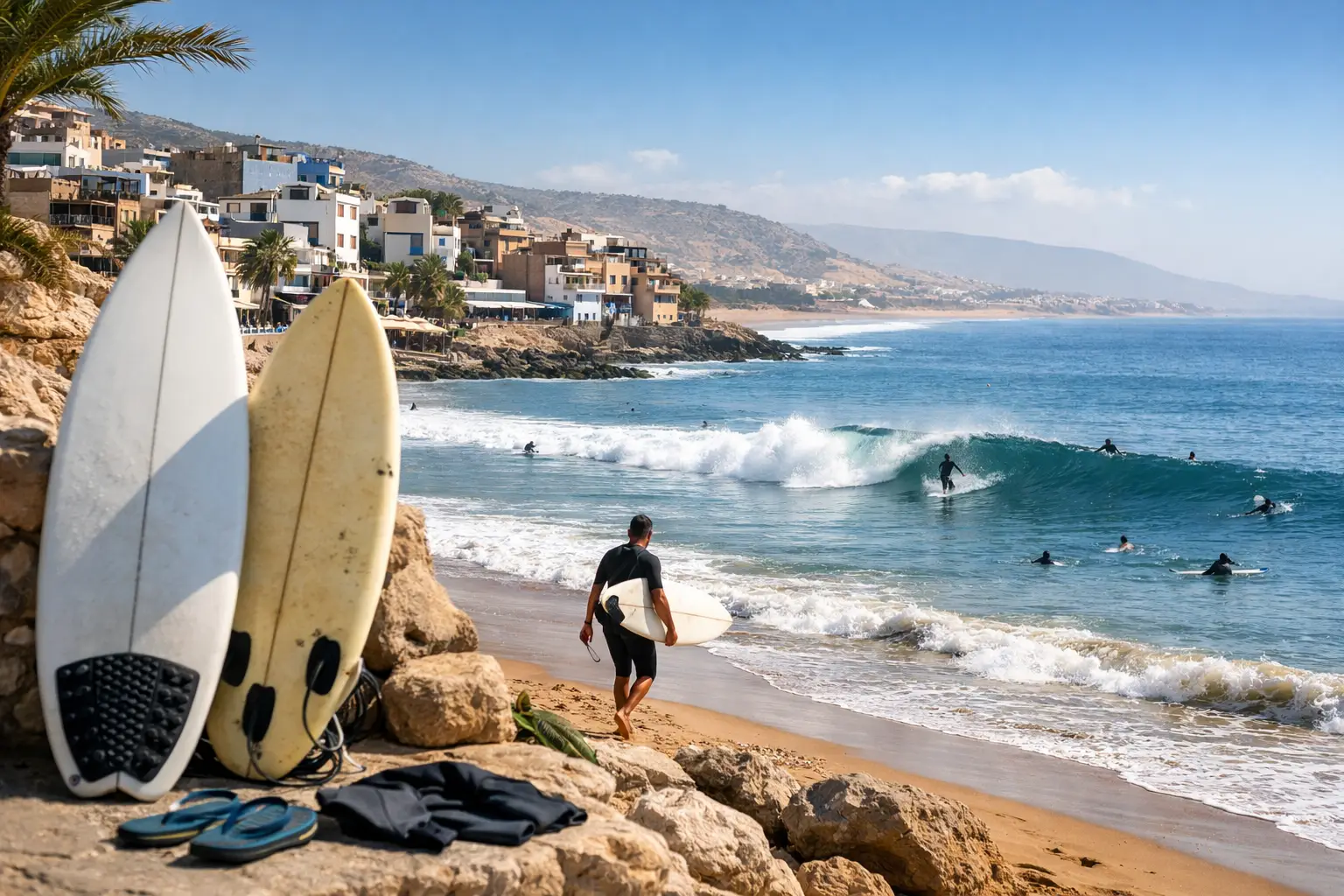
For surfers, winter can be one of the strongest times to come. Atlantic swells are more consistent, and local surf schools can help beginners choose suitable conditions and nearby breaks. Beginners should not assume winter means easy waves, though. The ocean can be powerful, and a guided lesson is the smart way to start.
Plan Around Essaouira’s Festivals
Essaouira is more than a beach town. Its creative spirit, music heritage, and multicultural history give the city a lively cultural calendar. The best-known event is the Gnaoua and World Music Festival, usually held in late spring or early summer. It brings concerts, international visitors, and an electric atmosphere to the medina and waterfront.
Festival dates and programming can change, so confirm details before building a trip around them. If you love live music and lively streets, visiting during a festival can be unforgettable. If you prefer quiet evenings, easy restaurant bookings, and a calmer medina, choose dates outside major events.
Religious holidays can also affect opening hours, transportation, and dining routines. During Ramadan, the city remains welcoming, but visitors should be respectful and expect some businesses to operate on adjusted schedules. Evenings can feel especially vibrant once families gather after sunset.
Choosing the Right Month for Your Travel Style
The best time depends less on a single temperature chart and more on what you want from your stay. For a first visit with sightseeing, food, shopping, and beach time, May, June, September, and October are reliable choices. For kitesurfing and windsurfing, summer delivers the wind that made Essaouira famous. For surfing, winter and early spring can bring more substantial swells.
Travelers seeking lower costs and fewer visitors should look at November, February, or March. December and January can be peaceful and atmospheric, although rain and cooler evenings are more likely. Families with school-age children may naturally travel in summer, when the city is energized and temperatures remain more manageable than inland destinations.
Practical Tips for an Easier Essaouira Stay
Essaouira rewards travelers who plan for the coast rather than pack for a desert city. Bring layers, even in July. A windbreaker is useful year-round, while sunscreen is essential because the breeze can hide the strength of the sun.
Book a riad inside the medina if you want to wake up near cafes, shops, and historic sights. Stay closer to the beach if surf lessons, long shoreline walks, and water sports are your priority. The two areas are easily connected on foot, so there is no wrong choice for most visitors.
Before your trip, check local listings for surf schools, restaurants, tours, and current events. A little planning leaves more room for the best parts of Essaouira: a fresh grilled fish lunch by the harbor, a sunset from the city walls, and the simple pleasure of following a medina lane to see what is around the next corner.
Keywords: when to visit Essaouira


Timlalin Domes
Hotels & Accommodation

Generation Cars location voiture Agadir, location voiture Agadir aéroport sans caution, Car rental Agadir
Transport & Car Rental
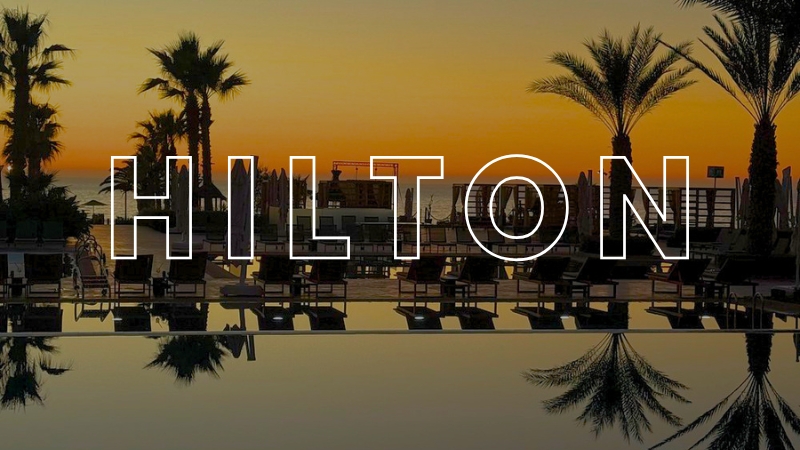
Hilton Taghazout Bay Beach Resort & Spa
Hotels & Accommodation

Atlantic Palm Beach Apart'Hotel
Hotels & Accommodation
Own a business in Agadir?
Get discovered by thousands of visitors.