Tiznit Souk Shopping Guide for Smart Buyers
Use this Tiznit souk shopping guide to find silver, leather, rugs, and local bargains with smart timing, fair prices, and easy market tips.
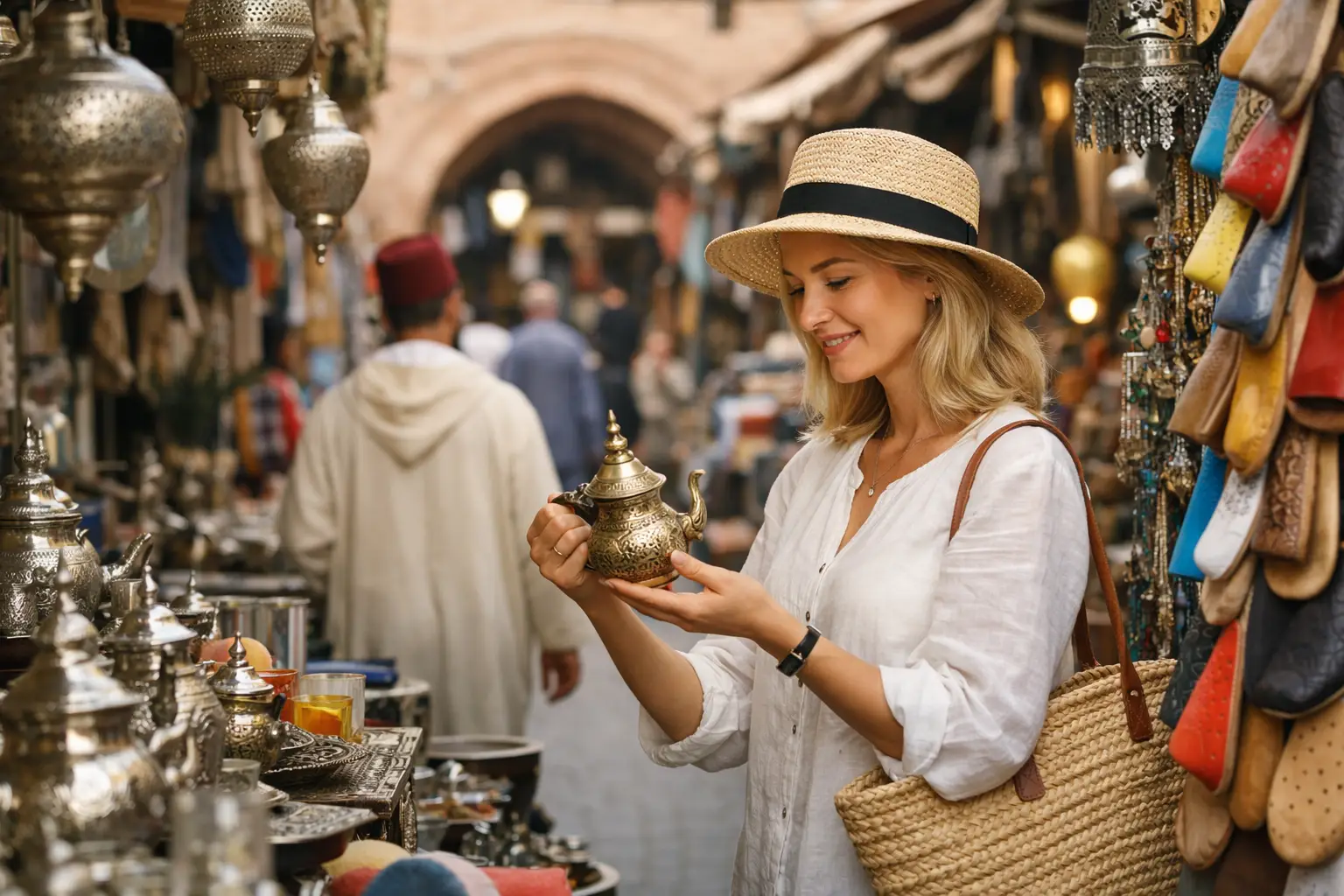
By the time you reach the medina in Tiznit, the mood shifts. The streets feel tighter, the pace slows, and the shopfronts start pulling you in one by one. This Tiznit souk shopping guide is for travelers who want more than a quick browse - it is for anyone hoping to shop with confidence, spot quality, and bring home something that actually feels local.
Tiznit is one of the best places in southern Morocco for traditional market shopping, especially if you are interested in silver jewelry, handmade leather goods, woven items, and practical everyday crafts. It is not as overwhelming as the souks in Marrakech, and that is part of the appeal. You can take your time here, compare stalls, and talk to artisans without feeling rushed by the crowd.
Why Tiznit stands out for souk shopping
Tiznit has a reputation that goes beyond being a convenient day trip from Agadir. The city is especially known for Berber silverwork, and many shoppers come specifically for jewelry. You will also find babouches, belts, bags, ceramics, baskets, spices, and textiles, but silver is the category that gives the souk its strongest identity.
What makes shopping here enjoyable is the balance. The market still feels active and local, yet it is accessible for visitors. You are not walking through a polished showroom version of Morocco, but you are also not stepping into a chaotic maze where every purchase becomes a battle. For many travelers, that middle ground is exactly what makes Tiznit worth the stop.
Tiznit souk shopping guide: what to buy first
If you only have an hour or two, start with the categories Tiznit does best. Silver jewelry should be at the top of the list. Look for fibulas, bracelets, rings, pendants, and detailed pieces with engraved or geometric Berber designs. Some items are bold and ceremonial, while others are easy to wear every day.
Leather is another strong buy, especially simple handmade sandals, wallets, and bags. You may also see woven rugs and blankets in smaller quantities than in larger market cities, but sometimes that works in your favor. Fewer options can make it easier to focus on quality instead of getting lost in endless rows of similar items.
For gifts, smaller market finds usually work best. Think spice mixes, argan-based beauty products, little ceramic pieces, or a handcrafted tray. Large decor items can be beautiful, but they are harder to carry and more difficult to judge if you are buying quickly.
Shopping for silver in Tiznit
If silver is your main reason for visiting, give yourself time. Not every piece is the same, and price differences can reflect craftsmanship, weight, age, or simply the seller's opening number. Some jewelry is traditional in style but newly made, while some pieces are older or inspired by vintage designs.
Ask direct questions. Is it sterling silver, mixed metal, or silver-plated? Is the stone natural or decorative? A good seller should be able to explain the basics without getting defensive. If the answers stay vague, keep moving.
It also helps to look at the finishing. Clean engraving, balanced shapes, secure clasps, and consistent detailing usually indicate better workmanship. A piece can still be rustic and beautifully handmade, but it should not feel flimsy.
How bargaining works in the Tiznit souk
Bargaining is part of the experience, but it does not need to be theatrical. In Tiznit, a calm and friendly approach usually works better than trying to force a dramatic discount. Sellers expect negotiation, yet there is a difference between negotiating and treating the exchange like a game you need to win.
A smart starting point is to browse first and ask prices at a few stalls before buying. That gives you a rough sense of the range. If something catches your eye, ask for the price, respond with interest but not urgency, and make a counteroffer that feels respectful. If the seller comes down only a little, that may mean the opening price was already closer to fair.
This is where context matters. A mass-produced souvenir should invite more negotiation than a handcrafted silver bracelet with detailed work. A very low price is not always a good sign. Sometimes paying a bit more gets you a noticeably better item.
Cash, change, and practical payment tips
Bring cash in small bills when possible. Even if some shops can handle card payments, cash is still the easiest option in many parts of the souk. Small change makes transactions smoother and gives you more control during bargaining.
It is also wise to set a rough budget before you start. Markets are full of impulse buys, and Tiznit is exactly the kind of place where a quick look turns into three bags and a necklace. A budget does not limit the fun - it helps you choose the pieces you really want.
Best time to visit the market
Late morning and early evening are usually the most comfortable times to shop. The middle of the day can feel hot, especially outside the cooler months, and that can drain your patience fast. If you want a more relaxed look around, come earlier, when sellers are setting up and the walkways feel less crowded.
Weekday visits often feel easier than weekends, although local rhythms can vary. If your goal is serious shopping, try not to arrive right before closing time. You will make better decisions when you are not rushing through the last open stalls.
A day trip from Agadir works well, but give yourself enough time to enjoy the city beyond the market. Tiznit is not only a shopping stop. The old walls, medina lanes, and everyday street life add to the experience and help the souk feel connected to a real place rather than a tourist-only attraction.
How to tell if a stall is worth your time
The best stalls are not always the loudest ones. A well-organized display, clear pricing logic, and a seller who can explain the product usually beat an aggressive pitch. If you feel pressured in the first 30 seconds, it is fine to leave.
Look for signs of specialization. A shop focused mainly on silver, or mainly on leather, often has better selection and more knowledge than a stall trying to sell everything at once. That does not mean mixed stalls are bad, but specialization can be a useful clue.
You should also trust your own pace. One of the easiest mistakes in any souk is buying the first thing you like because you assume you will never see anything similar again. In Tiznit, you usually have enough breathing room to compare.
Common mistakes visitors make
The biggest mistake is shopping too fast. Tiznit rewards patience. You do not need to circle the market for hours, but one full pass before buying is almost always a good idea.
Another mistake is focusing only on price. If two silver bracelets look similar and one costs noticeably more, ask why. The answer may be meaningful, or it may expose weak sales talk. Either way, you learn something useful.
Some visitors also overpack their day with shopping expectations. If you come looking for a very specific luxury retail experience, Tiznit may feel simple. That is not a downside unless you want polished packaging more than local character. The strength of this market is that it still feels grounded.
Making the most of your visit to Tiznit
The best shopping trips here feel unhurried. Walk the medina, pause for tea, then return to the stalls that stayed in your mind. Often the right purchase is the one you are still thinking about after a full lap.
If you are using Visit Agadir to plan a wider regional itinerary, Tiznit fits especially well as a contrast to the coast. It brings a different shopping rhythm, a stronger craft identity, and a more traditional market atmosphere than many beachside stops.
A good souk purchase is not only about getting a deal. It is about choosing something with a sense of place, something you will use or keep and remember exactly where you found it. In Tiznit, that part comes naturally if you slow down long enough to notice what is worth taking home.





Timlalin Domes
Hotels & Accommodation

Hilton Taghazout Bay Beach Resort & Spa
Hotels & Accommodation

Generation Cars location voiture Agadir, location voiture Agadir aéroport sans caution, Car rental Agadir
Transport & Car Rental

Centre Dentaire Amzil agadir
Health & Wellness
Own a business in Agadir?
Get discovered by thousands of visitors.