
The Rise of Zara: A Fashion Revolution
The Rise of Zara: A Fashion Revolution From Humble Beginnings to Global Dominance Once upon a time, in the quaint city of La Coruña, Spain, a young visionary named Amancio Ortega opened a small clothing store in 1975. This store, named Zara, was founded on a unique business model
The Rise of Zara: A Fashion Revolution
From Humble Beginnings to Global Dominance
Once upon a time, in the quaint city of La Coruña, Spain, a young visionary named Amancio Ortega opened a small clothing store in 1975. This store, named Zara, was founded on a unique business model that would revolutionize the fashion industry: fast fashion. The premise was simple yet groundbreaking – to reduce the time it took for designs to go from the sketchbook to the sales floor, ensuring that consumers always had access to the latest trends.
A Revolutionary Business Model
The story of Zara is one of relentless ambition, acute business acumen, and a keen eye for customer desires. Unlike traditional fashion retailers that updated their stock seasonally, Zara began to produce and distribute clothing to its stores worldwide in just a matter of weeks. This agility was unheard of at the time and set the stage for what would become an international success story.
A Design Process That Redefined the Industry
Zara's design process was unique in that it was both responsive and swift. The company employed a team of designers who worked tirelessly to interpret fashion trends as they emerged. Instead of producing collections far in advance, Zara operated on a continuous cycle, creating small batches of new items all year round. This meant that Zara stores were always stocked with fresh, on-trend pieces that drew in fashion-forward customers.
Global Expansion and Unprecedented Growth
The brand's expansion was as fast as its design turnaround. Within a few short years, Zara began opening stores beyond Spain, entering the global market with a bang. It adopted a policy of zero advertising, investing the money it saved back into the company to open new stores. This strategy paid off as Zara became a household name, synonymous with modern, affordable fashion.
Customer-Centric Approach and Innovation
With each new store opening, from Paris to New York to Tokyo, Zara's presence became more prominent. It wasn't just the speed that made Zara stand out; it was also the brand's dedication to customer feedback. Store managers were tasked with listening to what customers wanted, reporting back to headquarters to ensure that future designs met these needs.
The success of Zara also rested on its sophisticated logistics system. The company invested heavily in technology to track sales and inventory in real-time. This data-driven approach allowed Zara to be nimble, replenishing popular items quickly and discontinuing those that did not sell, thus minimizing waste and maximizing profits.
Sustainability and Corporate Responsibility
Behind Zara's glossy storefronts, sustainability became a growing focus. The brand made strides to address environmental concerns by introducing eco-friendly initiatives, such as using organic materials and recycling programs. These efforts showed Zara's commitment to evolving not only with fashion trends but also with global responsibility.
A Fashion Legacy
Today, Zara is one of the world's largest international fashion companies and the flagship brand of the Inditex Group. The story of Zara is not just about clothing; it's about a relentless pursuit of efficiency, an understanding of the global consumer, and a dedication to sustainable growth. Zara's narrative continues to unfold as it adapts to new challenges, always staying true to its core principle: to bring high fashion to the masses with unprecedented speed and sensitivity to ever-changing consumer desires.
If you're looking for stores in Agadir, Morocco, you'll find a variety of shopping experiences catering to different tastes and needs. Agadir offers a mix of traditional souks, modern shopping malls, specialty stores, and local boutiques.
Here are some popular shopping destinations in Agadir:
- Souk El Had: A traditional market offering a wide range of products.
- Marina Agadir: A contemporary shopping center with international and local stores.
- Agadir Beach Promenade: Shops selling beachwear, souvenirs, and local crafts.
- La Médina d'Agadir: A recreated traditional Moroccan medina.
- Agadir Shopping Centre (ASC): A modern shopping mall with a variety of stores.
- Local Boutiques: Unique Moroccan fashion, artisanal jewelry, leather goods, and more.
- Specialty Stores: Argan oil, Moroccan spices, Berber carpets, and more.
______________________________________________________________________________________________________________ https://visitagadir.info/marwa-the-gem-of-agadir-a-portrait-of-an-evolving-moroccan-city/
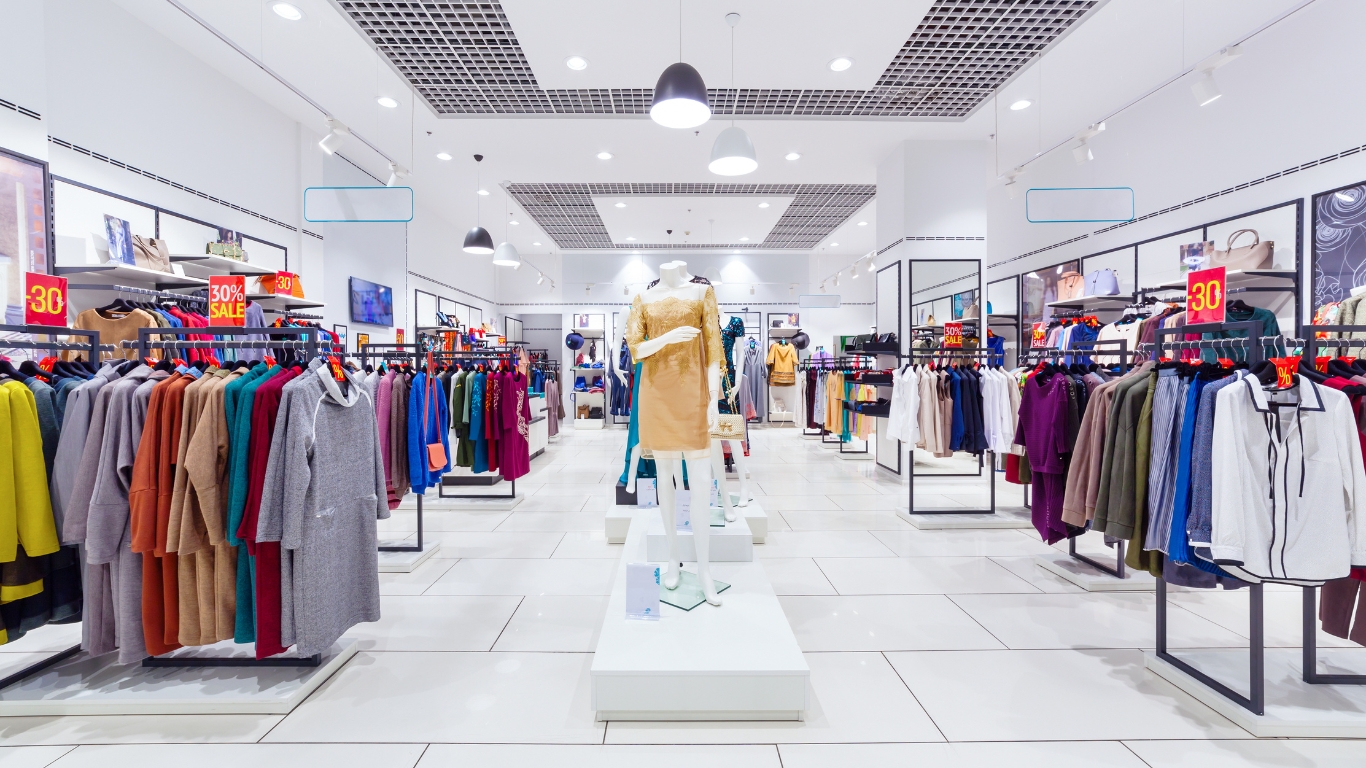
Marwa the Gem of Agadir A Portrait of an Evolving Moroccan City
22 Aug 2026

Discovering Agadir's Shopping Paradises: A Guide to the Best Shopping Centers
21 Aug 2026

Discover the Best Day Trips from Agadir: A Traveler’s Guide
21 Aug 2026
Saffron Restaurant Agadir: Menu Guide & What to Order (2026)
11 Sept 2026

Timlalin Domes
Hotels & Accommodation
Hilton Taghazout Bay Beach Resort & Spa
Hotels & Accommodation

Generation Cars location voiture Agadir, location voiture Agadir aéroport sans caution, Car rental Agadir
Transport & Car Rental

Centre Dentaire Amzil agadir
Health & Wellness
Own a business in Agadir?
Get discovered by thousands of visitors.