How to Visit Souk El Had Without Stress
Learn how to visit Souk El Had in Agadir with smart timing, entry tips, what to buy, how to bargain, and how to enjoy the market stress-free.
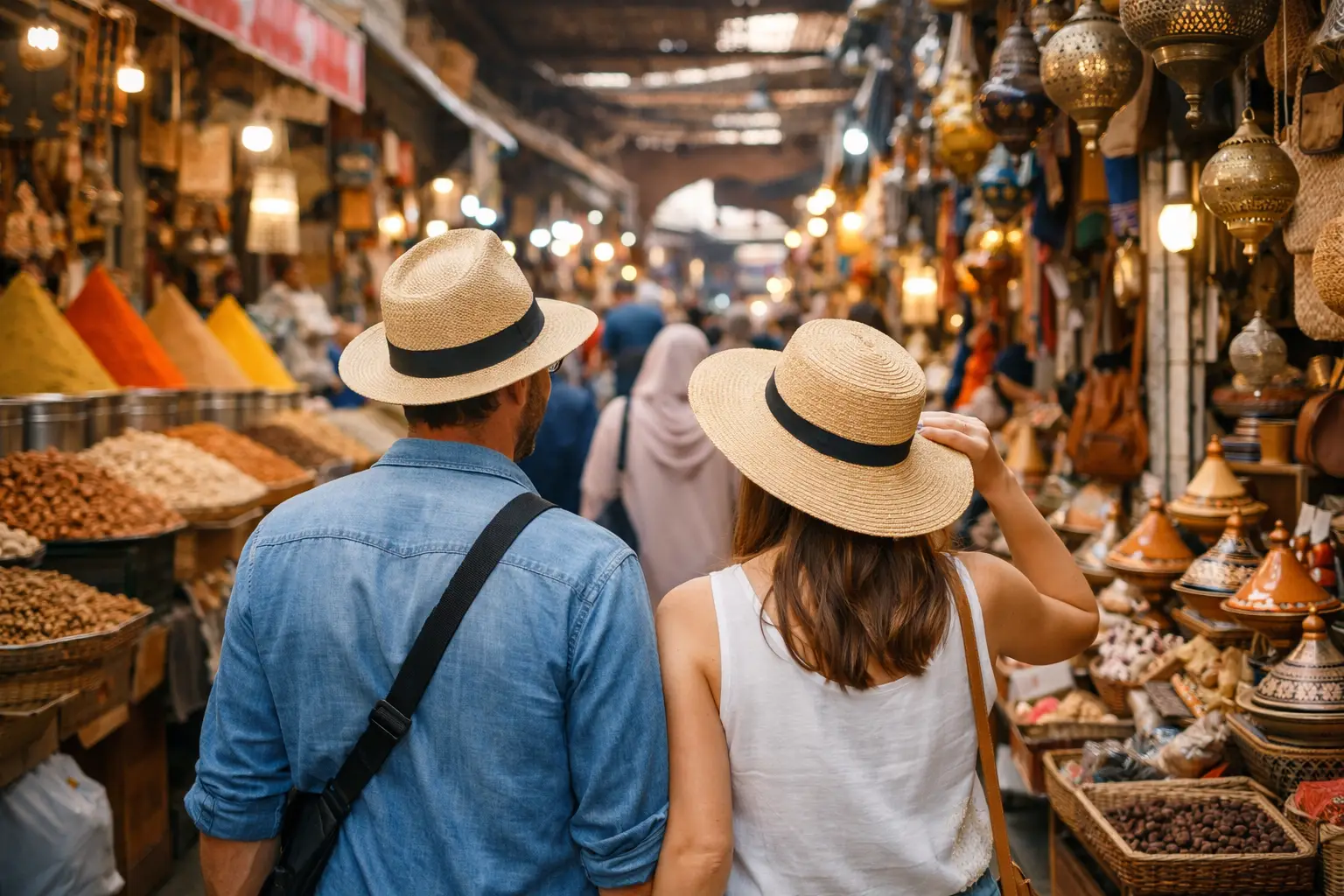
If you are wondering how to visit Souk El Had without feeling overwhelmed, start with one simple idea: treat it like a neighborhood city inside Agadir, not a quick souvenir stop. This is one of the largest markets in Morocco, and the experience is better when you arrive with a little time, a loose plan, and room to wander. Souk El Had is where everyday Agadir life meets the kind of market visit travelers hope to find - fragrant spice stalls, fresh produce, handmade goods, clothing, homewares, and long rows of shops selling almost everything. It is lively, local, and absolutely worth your time. But it can also feel big fast, especially if it is your first visit.
Why Souk El Had is worth visiting
Souk El Had is not just a tourist attraction. It is a working market used by locals across the city, which is exactly what makes it memorable. You are not walking through a staged shopping strip. You are stepping into a place where residents shop for ingredients, textiles, kitchen goods, beauty items, and daily essentials. That mix gives the market its energy. You can buy argan oil and gifts, but you can also see butchers, fruit sellers, tailors, and hardware stalls operating side by side. If you want a more grounded way to experience Agadir beyond the beach and promenade, this is one of the best places to do it.
How to visit Souk El Had at the right time
Timing changes the experience more than most first-time visitors expect. If you want a calmer visit, go in the morning. The aisles feel easier to navigate, vendors are setting up with fresh stock, and the heat is usually more manageable. This is a good option for families, travelers who want to browse slowly, or anyone hoping to take photos without heavy crowds. Late afternoon and early evening can feel more atmospheric, but they are also busier. That is great if you enjoy lively market energy and do not mind a little shoulder-to-shoulder movement in the popular lanes. If your goal is efficient shopping, earlier is usually better. It is also smart to avoid arriving too rushed. Souk El Had is big enough that a quick 20-minute pass rarely does it justice. Give yourself at least one to two hours. If you like markets, local food culture, or bargain shopping, you may want longer.
Getting there and entering the market
Souk El Had sits in central Agadir and is easy to reach by taxi from most tourist areas. If you are staying near the beach, marina, or city center, the ride is usually straightforward. Many visitors choose petit taxis because they are simple and convenient, especially in warm weather. The market has multiple gates, which is useful, but it can also be disorienting if you do not pay attention to where you entered. One of the easiest habits is to note your gate number or take a quick photo when you arrive. That small step saves time later when the alleys start looking similar. Security at the entrance helps the market feel organized, and once inside you will notice it is more structured than some visitors expect. Even so, it is still a large traditional souk. Expect a mix of order and happy chaos.
What to expect inside Souk El Had
The market is divided into sections, but you do not need to memorize a full layout to enjoy it. Part of the fun is discovering what each lane holds. One stretch may be packed with slippers and leather bags, while the next is filled with ceramics, lanterns, spices, olives, or fabrics. You will also find plenty of practical goods that are more local than decorative. That matters because it keeps the market authentic. If you are only looking for souvenirs, you can absolutely find them. But if you are curious about daily life in Agadir, pay attention to what local shoppers are buying. That is often where the market becomes most interesting. The pace can vary by section. Produce and food areas often feel faster and more functional. Clothing, crafts, and gift stalls invite more browsing. If one area feels too crowded, keep moving. Souk El Had rewards wandering.
What to buy and what is best to skip
For many visitors, the best purchases are items that reflect the region. Argan oil products, spices, tea sets, pottery, woven bags, and Moroccan slippers are popular for a reason. They travel relatively well and feel connected to the place. That said, quality varies. Some stalls offer beautifully made goods, while others cater to quick tourist sales. If you are buying argan oil, cosmetics, or handcrafted items, take your time. Look at a few stalls before deciding. A lower price is not always the better deal if the quality is noticeably weaker. If you are short on luggage space, skip bulky decor unless you genuinely love it. It is easy to get excited by large tajines, lamps, or ceramics, then regret the packing challenge later. Smaller textiles, spice packets, and compact artisan items are usually easier wins.
Bargaining without making it awkward
A big part of learning how to visit Souk El Had is understanding that bargaining is normal in many sections of the market. It is not a confrontation. It is part of the shopping rhythm. The key is to keep it relaxed. Start by asking the price politely, and if it feels high, make a reasonable counteroffer. Smile, stay friendly, and do not push too hard over small amounts. If the item is truly handmade or high quality, the lowest possible price should not be your only goal. It also helps to know when not to bargain much. Everyday goods, food items, and lower-margin products may not have as much flexibility as souvenir-style items. If a price already feels fair, it is okay to accept it and move on. Not every purchase needs a negotiation.
Practical tips for a smooth visit
Wear comfortable shoes. This sounds obvious until you realize how much ground you will cover. The market is large, and the visit is better when you are not thinking about your feet after 30 minutes. Bring cash and keep small bills handy. While some sellers may accommodate other payment methods, cash is still the easiest approach. Having the right change also makes transactions quicker and more comfortable. Travel light, but not empty-handed. A small crossbody bag or secure day bag works well. You want your essentials close, especially in busy sections. Like any crowded market, staying aware of your belongings is simply smart travel. If you are sensitive to heat, go earlier in the day and carry water. If you are visiting with kids, plan a shorter route and focus on a few sections rather than trying to see everything. Families usually enjoy the market more when the visit feels fun instead of exhausting.
How to visit Souk El Had if you do not like crowds
You can still enjoy the market even if packed shopping areas are not your thing. The trick is to go early, choose a weekday if possible, and accept that you do not need to cover every lane. Souk El Had is not a checklist experience. Pick a few interests and build around them. Maybe that means spices, home decor, and local food products. Maybe it means fashion, beauty items, and gift shopping. Giving yourself a theme makes the market feel more manageable. You can also pause when needed. Step into a quieter aisle, slow down, and reset. The best market visits are rarely the fastest ones.
Food, local flavor, and the full experience
Even if shopping is your main goal, pay attention to the market's food side. Fresh herbs, olives, dates, produce, and spice displays add a lot to the atmosphere. This is where Souk El Had feels especially rooted in daily Moroccan life. You may not want to do all your eating inside the market, and that is fine. For some visitors, the better move is to browse first, buy a few edible gifts or snacks, then head out for a relaxed meal elsewhere in Agadir. It depends on your pace and comfort level. For travelers using Visit Agadir to plan their day, Souk El Had works especially well as part of a wider city itinerary. You can pair it with a beach walk, a café stop, or an easy evening in the marina area and turn one market visit into a fuller Agadir day.
A few mistakes first-time visitors make
The most common mistake is arriving with no time buffer. Souk El Had is not the kind of place you rush through successfully. Another is buying from the first stall that catches your eye. Sometimes that works out, but often you will see similar items later and get a better sense of pricing. Some visitors also overpack their day and show up already tired. The market is more enjoyable when you still have energy for it. If you are fitting it into a packed schedule, place it earlier rather than later. And finally, do not expect every section to feel polished or curated. That is part of the charm. Souk El Had is a real market first. If you meet it on those terms, it gives you a much better experience. Souk El Had is at its best when you let it be a little unpredictable. Go with comfortable shoes, enough cash, and curiosity, and you will leave with more than shopping bags - you will leave with a better feel for Agadir itself.



Timlalin Domes
Hotels & Accommodation

Hilton Taghazout Bay Beach Resort & Spa
Hotels & Accommodation

Generation Cars location voiture Agadir, location voiture Agadir aéroport sans caution, Car rental Agadir
Transport & Car Rental

Centre Dentaire Amzil agadir
Health & Wellness
Own a business in Agadir?
Get discovered by thousands of visitors.