Essential Moroccan city travel guide: Explore Agadir & beyond
Plan your Moroccan city trip with this essential guide to Agadir and nearby destinations. Get packing tips, top attractions, food picks, and safety advice.
Planning a trip through Morocco’s most captivating cities can feel like trying to read a map written in three languages at once. The choices are thrilling but genuinely overwhelming: Do you spend all your time in Agadir soaking up the Atlantic breeze, or do you push inland toward the ancient walls of Taroudant? Should you rent a car, join a tour, or figure out the bus system on the fly? This guide cuts through the noise and gives you a clear, structured path through Morocco’s Souss-Massa region, covering everything from pre-trip essentials and must-see attractions to authentic food, cultural immersion, and street-smart safety advice.
Table of Contents
- What you need for the perfect Moroccan city trip
- Step-by-step guide: Exploring Agadir’s top attractions
- Cultural experiences in Agadir and neighboring cities
- Savoring authentic Moroccan cuisine
- Essential travel tips for a safe and smooth journey
- Our perspective: Why city-hopping in Morocco is a travel game-changer
- Plan your Moroccan city adventure with Visit Agadir
- Frequently asked questions
Key Takeaways
| Point | Details |
|---|---|
| Pack smart and carry cash | Bring essential documents and enough local currency for a hassle-free Moroccan trip. |
| Structure your city adventures | Plan visits to top Agadir attractions and mix in cultural day trips for the best experience. |
| Savor local cuisine | Try regional Moroccan dishes and enjoy the unique dining etiquette for a deeper connection. |
| Prioritize safety and travel tips | Stay street-smart, respect local customs, and use recommended travel resources for smooth journeys. |
| City-hopping unlocks Morocco’s magic | Exploring multiple cities offers diverse experiences, hidden gems, and memorable moments. |
What you need for the perfect Moroccan city trip
Before you step off the plane into that warm Agadir golden light, you need the right paperwork in your hands. Most Western travelers do not need a visa for Morocco for stays under 90 days, but your passport must be valid for at least six months beyond your travel date. Travel insurance is non-negotiable: medical care, trip cancellations, and lost luggage coverage will save you from costly surprises.
Money is where many first-timers get caught off guard. Cash remains king in most Moroccan cities, especially in souks, small restaurants, and local taxis. The official currency is the Moroccan dirham (MAD), and you will get the best rates at airport exchange booths or local ATMs rather than exchanging at home. Keep small bills handy because vendors rarely carry change for large notes.
| Currency tip | Recommendation |
|---|---|
| Best exchange location | Airport ATM or local bank |
| Card acceptance | Major hotels and malls only |
| Daily cash budget | 300-500 MAD for mid-range travel |
| Emergency backup | Keep a small USD/EUR reserve |
Clothing choices matter both for comfort and cultural respect. Agadir is more relaxed than inland cities, but modest dress is still appreciated, especially when visiting markets or religious sites. Pack light, breathable fabrics for the heat, a light jacket for cool Atlantic evenings, and a scarf that doubles as sun protection and a cover-up.
Here is a practical packing checklist to get you started:
- Passport, insurance documents, and printed hotel confirmations
- Unlocked smartphone for a local SIM card
- Comfortable walking shoes with grip
- Sunscreen (SPF 50 or higher) and a reusable water bottle
- Lightweight daypack for souks and day trips
- Small first-aid kit with any prescription medications
Pro Tip: Photocopy every vital document, including your passport photo page, travel insurance policy, and hotel addresses. Store digital backups in a secure cloud folder so you can access them from any device if originals are lost.
Step-by-step guide: Exploring Agadir’s top attractions
With your essentials packed, it is time to map out your Agadir exploration. The city rewards those who move through it with intention rather than wandering aimlessly, so a loose daily structure goes a long way.
Here is a suggested order for experiencing Agadir’s highlights:
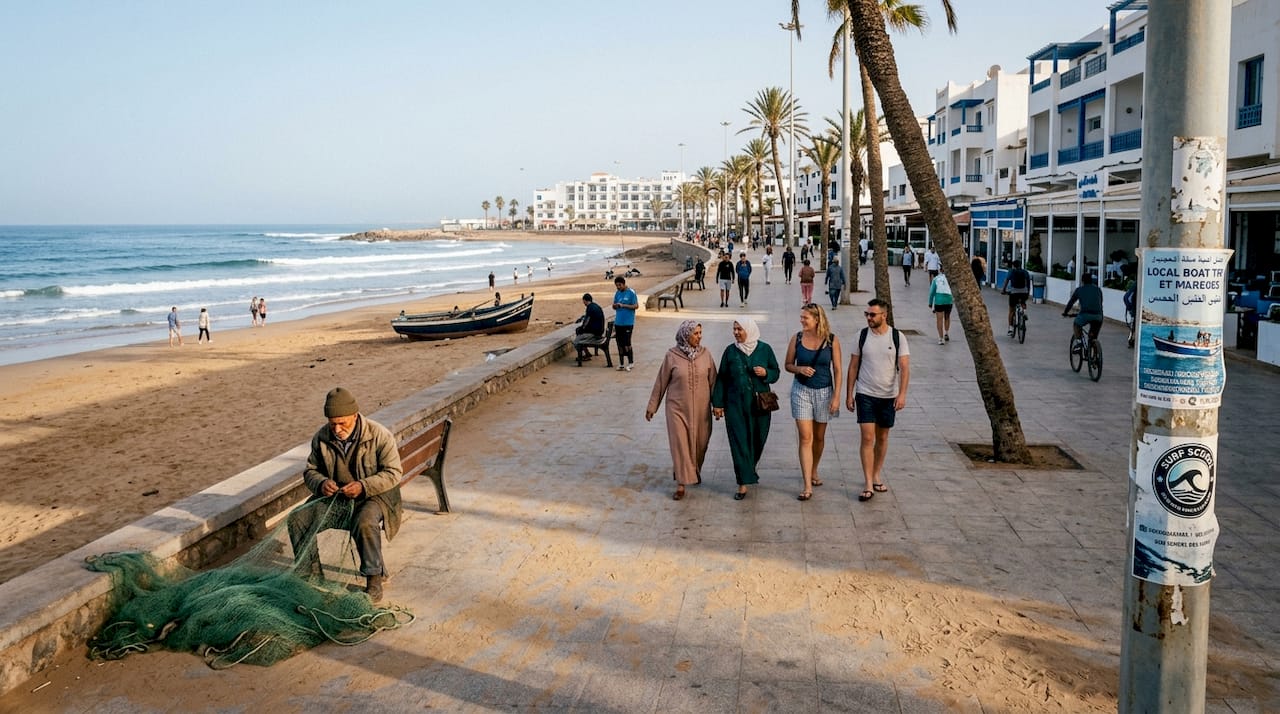
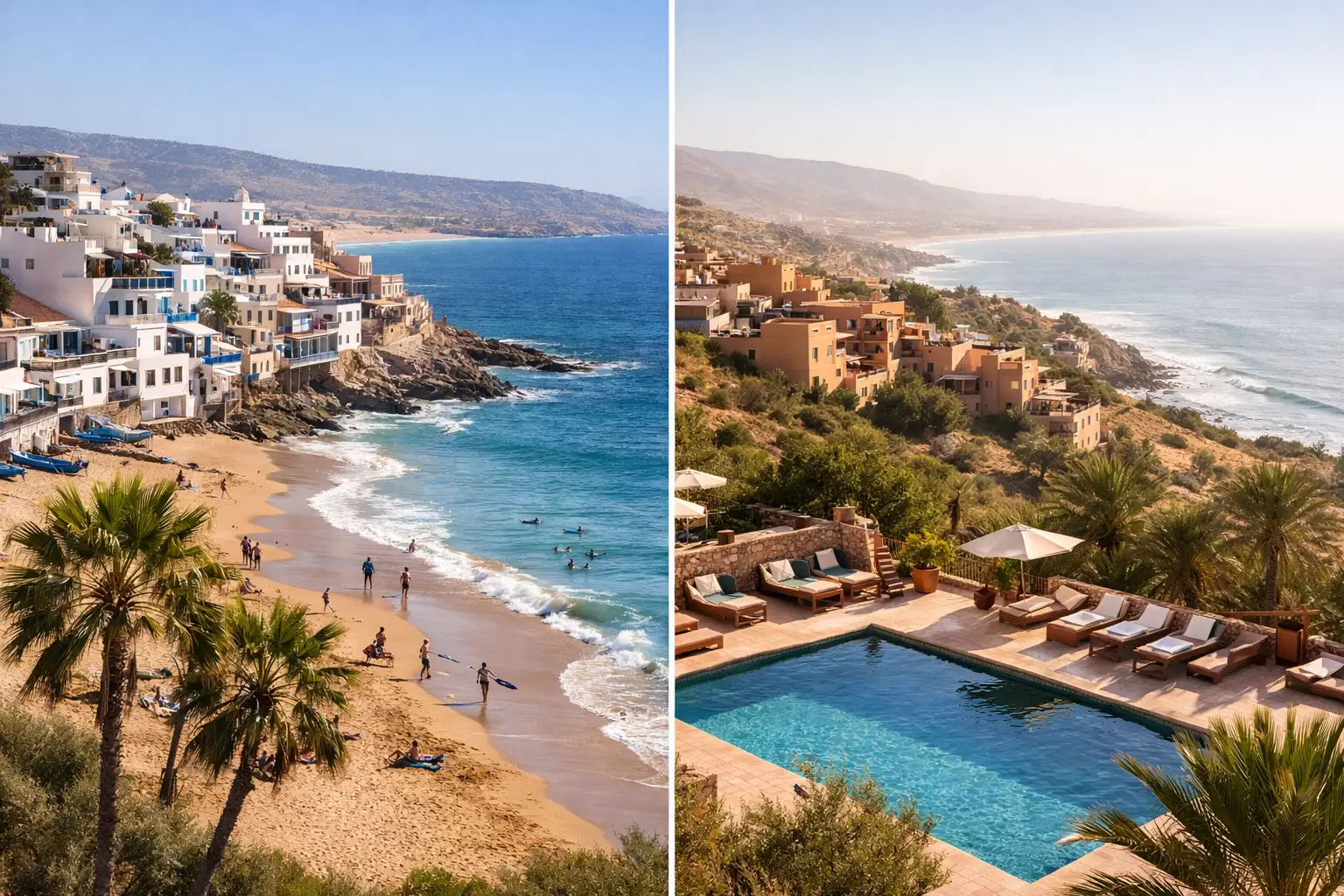
- Morning: Start at Agadir Beach, one of Morocco’s finest stretches of golden sand, and walk north toward the marina while the light is still soft.
- Mid-morning: Head up to the Kasbah ruins for sweeping panoramic views over the city and coastline.
- Afternoon: Explore the Souk El Had, one of the largest markets in southern Morocco, where you will find spices, textiles, and fresh produce.
- Late afternoon: Visit the Amazigh Heritage Museum to understand the Berber culture that shapes this entire region.
- Evening: Stroll the marina promenade, choose a terrace restaurant, and watch the sunset over the Atlantic.
For a full breakdown of top things to do in Agadir, including hidden gems most visitors miss, you will find Agadir’s wealth of beaches, souks, and modern attractions covered in depth. If you have more time, the Agadir 7-day itinerary builds a complete week-long plan around these same foundations.
| Exploration style | Pros | Cons |
|---|---|---|
| Organized tour | Guided context, transport included | Less flexibility, fixed schedule |
| Self-guided | Freedom, personal pace | Navigation effort, no local insight |
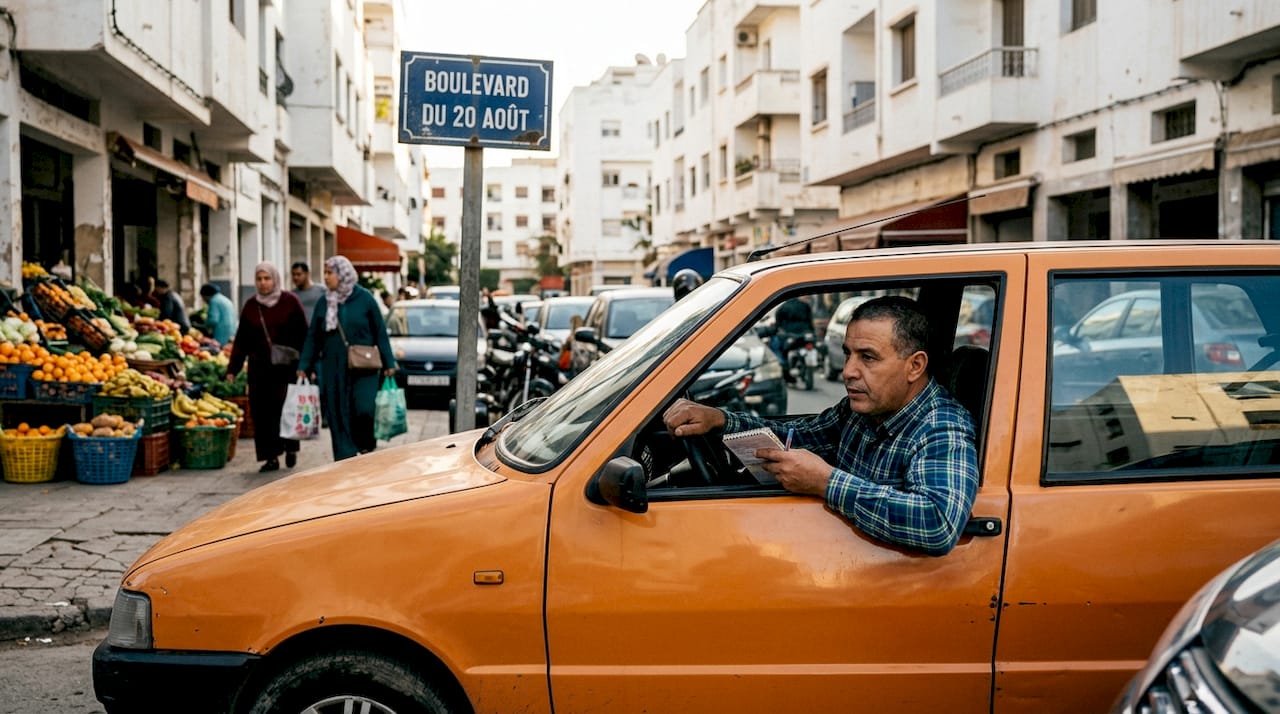
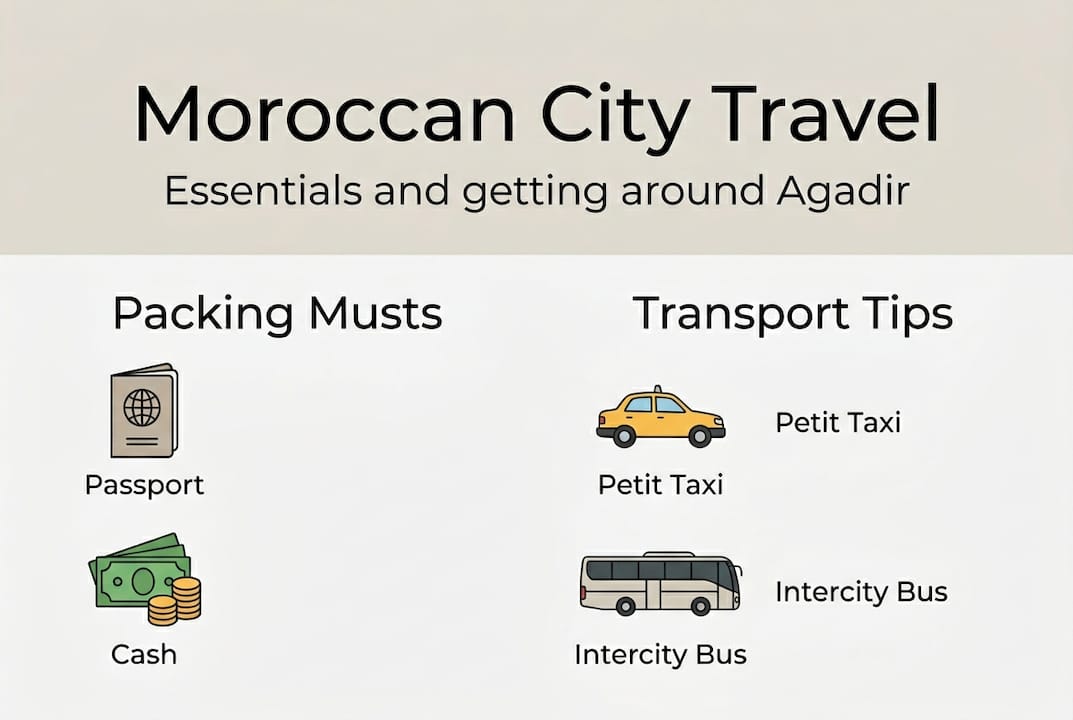
For getting around the city, petit taxis (small orange cabs) are affordable and widely available. Always agree on a price before you get in, or insist the driver uses the meter. Bus routes connect major districts, and ride-hailing apps are increasingly available. Keep a close eye on your belongings in crowded souk areas, where pickpocketing can occur.
Cultural experiences in Agadir and neighboring cities
Beyond sightseeing, Morocco is about living local culture, and the Souss-Massa region offers some of the richest cultural layers in the country. In Agadir itself, the Amazigh Heritage Museum is a genuine standout, telling the story of Berber civilization through artifacts, jewelry, and textiles. Street art murals near the city center also reflect a vibrant contemporary identity that sits alongside ancient traditions.
Musical events and local festivals bring the city alive throughout the year. The Timitar Festival, held annually in Agadir, celebrates Amazigh and world music and draws artists and visitors from across the globe. Attending even one evening performance gives you a direct connection to the region’s soul that no museum can replicate.
For day trips that add serious cultural depth, consider these destinations:
- Taroudant: Often called the “grandmother of Marrakech,” this walled city offers historical sites like ramparts and vibrant markets that feel genuinely untouched by mass tourism.
- Tiznit: Famous for its silver jewelry workshops and a beautiful medina that rewards slow, curious walking.
- Inezgane: A working market town where locals shop, giving you a real slice of everyday Moroccan life.
For a deeper look at what awaits beyond Agadir’s coastline, the visit Taroudant guide walks you through the city’s most rewarding corners.
Respecting local customs is not just polite, it is the price of admission to authentic experiences. Dress modestly when entering markets or mosques, remove shoes when invited into a home, and always greet with “As-salamu alaykum” before asking for directions or making a purchase.
Pro Tip: Strike up conversations with shopkeepers even if you are not buying. Moroccan hospitality is genuine, and a five-minute chat over mint tea often leads to recommendations that no travel app carries.
Savoring authentic Moroccan cuisine
Culture comes alive at the table, and Moroccan food deserves a section of its own. The Souss-Massa region is renowned for its varied traditional dishes, many of which you simply cannot find with the same depth of flavor anywhere else in the country.
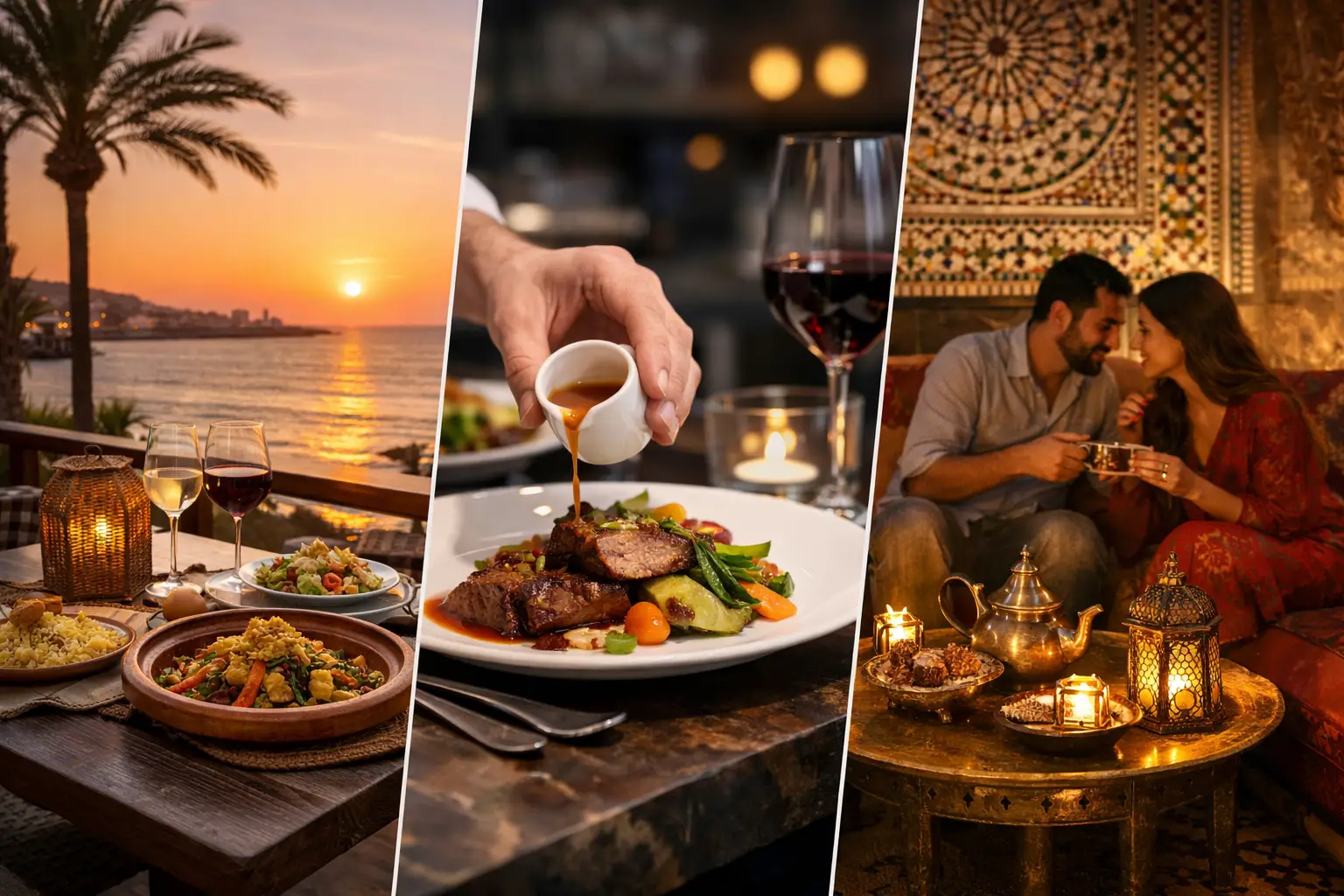
Start with the classics. Tagine, the slow-cooked stew served in its iconic conical clay pot, comes in dozens of regional variations here: lamb with prunes and almonds, chicken with preserved lemon and olives, or a vegetable version fragrant with saffron and ginger. Couscous is traditionally served on Fridays and is best eaten at a family-style restaurant where the portions are generous and the broth is poured tableside. Pastilla, a flaky pastry filled with pigeon or chicken and dusted with powdered sugar and cinnamon, is a showstopper worth seeking out.
Dining etiquette adds to the experience. Many traditional meals are shared from a single large dish, and eating with your right hand (using bread as a scoop) is both acceptable and encouraged. Mint tea is poured from a height to create froth and is offered as a gesture of welcome. Refusing it can feel like a small social misstep, so accept graciously even if you only take a few sips.
Here are some must-visit spots for authentic flavors in and around Agadir:
- Souk El Had food stalls: Fresh-squeezed argan oil, local olives, and spice blends to take home
- Marina district restaurants: Grilled fish straight off the Atlantic boats, best eaten at lunch
- Taroudant’s central market: Slow-cooked street food that reflects centuries of Souss culinary tradition
- Local neighborhood snack stands: Msemen (layered flatbread) with honey and argan oil for breakfast
The Agadir food guide goes further into specific restaurant recommendations and seasonal dishes worth planning your visit around.
Essential travel tips for a safe and smooth journey
Finishing strong means being street-smart and ready for anything the road throws at you. Agadir is generally safe, but tourists should stay alert, especially in busy areas like the souk and the beachfront promenade.
Here are the key safety do’s and don’ts:
- Do keep a photocopy of your passport separate from the original
- Do use licensed petit taxis and agree on fares upfront
- Do not flash expensive cameras or jewelry in crowded markets
- Do not accept unsolicited “guides” who approach you on the street
- Do save the local emergency number (190 for police) in your phone
For getting between cities, CTM and Supratours buses are reliable, affordable, and connect Agadir to Taroudant, Tiznit, and other regional destinations. Grand taxis (shared long-distance cabs) are faster but leave only when full. Car rental gives you the most freedom for day trips from Agadir into the countryside, though city parking can be tricky.
Staying connected is straightforward. Local SIM cards from Maroc Telecom or Orange cost very little and give you solid data coverage across the region. Most hotels and cafes offer Wi-Fi, but a local SIM means you are never dependent on a connection. Learning five to ten words of Darija (Moroccan Arabic) or Amazigh will earn you genuine smiles and better treatment almost everywhere you go.
Pro Tip: Wear a flat money belt under your clothing for passports and backup cash. It takes thirty seconds to put on and removes the anxiety of carrying valuables in a bag.
Blend in, walk with purpose, and carry yourself with quiet confidence. Hesitation and visible confusion are what opportunists look for, not your nationality or clothing.
Our perspective: Why city-hopping in Morocco is a travel game-changer
Here is something most travel guides will not tell you directly: staying in only one Moroccan city is a bit like reading the first chapter of a novel and calling it done. Each city in the Souss-Massa region speaks a different dialect of the same cultural language. Agadir gives you the cooling Atlantic breeze and modern confidence. Taroudant gives you ancient walls and a pace that feels like time has slowed by design. Tiznit gives you artisan craft in its most honest form.
The magic happens in the contrast. Travelers who move between these cities consistently report that each destination reframes the previous one, adding context and depth that a single-city trip simply cannot generate. We have heard from visitors who planned to spend five days in Agadir and ended up restructuring their entire trip after a single afternoon in Taroudant.
The common misconception is that city-hopping is complicated or exhausting. In reality, the distances in this region are short, transport is affordable, and the reward per kilometer traveled is extraordinary. The city-hopping guide makes the logistics simple so you can focus on the experience.
Plan your Moroccan city adventure with Visit Agadir
You now have the framework. The next step is turning that framework into a real, personalized itinerary that fits your pace, interests, and travel style.

Visit Agadir brings together curated guides, local business listings, and expert travel resources built specifically for the Souss-Massa region. Whether you want the full Agadir travel guide for a deep dive into the city’s best experiences or you are ready to plan the best day trips from Agadir into the surrounding landscape, the platform has the detail you need. Start exploring, start planning, and let the golden light of southern Morocco do the rest.
Frequently asked questions
What is the best time of year to visit Agadir and other Moroccan cities?
Spring (March through May) and fall (September through November) offer the most pleasant weather for city exploration, with warm days and comfortable evenings perfect for walking and outdoor dining.
Is it safe to travel between Moroccan cities like Agadir and Taroudant?
Traveling between major Moroccan cities is generally safe if you use official transport and follow basic safety tips. Tourists should stay alert, especially in busy public areas, but intercity travel on licensed buses and taxis is reliable and well-established.
Can I use credit cards everywhere in Moroccan cities?
Credit cards are accepted in major hotels and shops, but cash is preferred in markets and small businesses, so always carry enough dirhams for daily expenses.
How do I get from Agadir to nearby cities for day trips?
You can conveniently travel by CTM bus, grand taxi, or organized tour from Agadir to nearby cities like Taroudant and Tiznit, with most journeys taking under two hours.
Are there any cultural customs I should know before visiting Agadir?
Yes, dress modestly, ask permission before taking photos of people, and always greet locals with respect to honor Moroccan customs and build genuine connections during your visit.
Recommended
- Magical Day Trips from Agadir: Your Ultimate Guide to Southern Morocco (2026) - Visit Agadir
- Discover the Best Day Trips from Agadir: A Traveler’s Guide - Visit Agadir
- Hidden gems of Agadir - Visit Agadir
- Agadir Travel Guide for Beaches, Food, and Day Trips - Visit Agadir
- 10-07 Linkėjimai iš Maroko! - Valiuta24.lt

Timlalin Domes
Hotels & Accommodation

Hilton Taghazout Bay Beach Resort & Spa
Hotels & Accommodation

Generation Cars location voiture Agadir, location voiture Agadir aéroport sans caution, Car rental Agadir
Transport & Car Rental

Centre Dentaire Amzil agadir
Health & Wellness
Own a business in Agadir?
Get discovered by thousands of visitors.