Agadir's Historic Kasbah Oufella
@onamir9 min read
Echoes of the Past: A Deep Dive into Agadir's Historic Kasbah Oufella Perched majestically on a hilltop overlooking the sprawling city of Agadir, the Atlantic Ocean, and the bustling port, stands the Kasbah of Agadir Oufella. For many visitors, it's a place to capture brea
Echoes of the Past: A Deep Dive into Agadir's Historic Kasbah Oufella
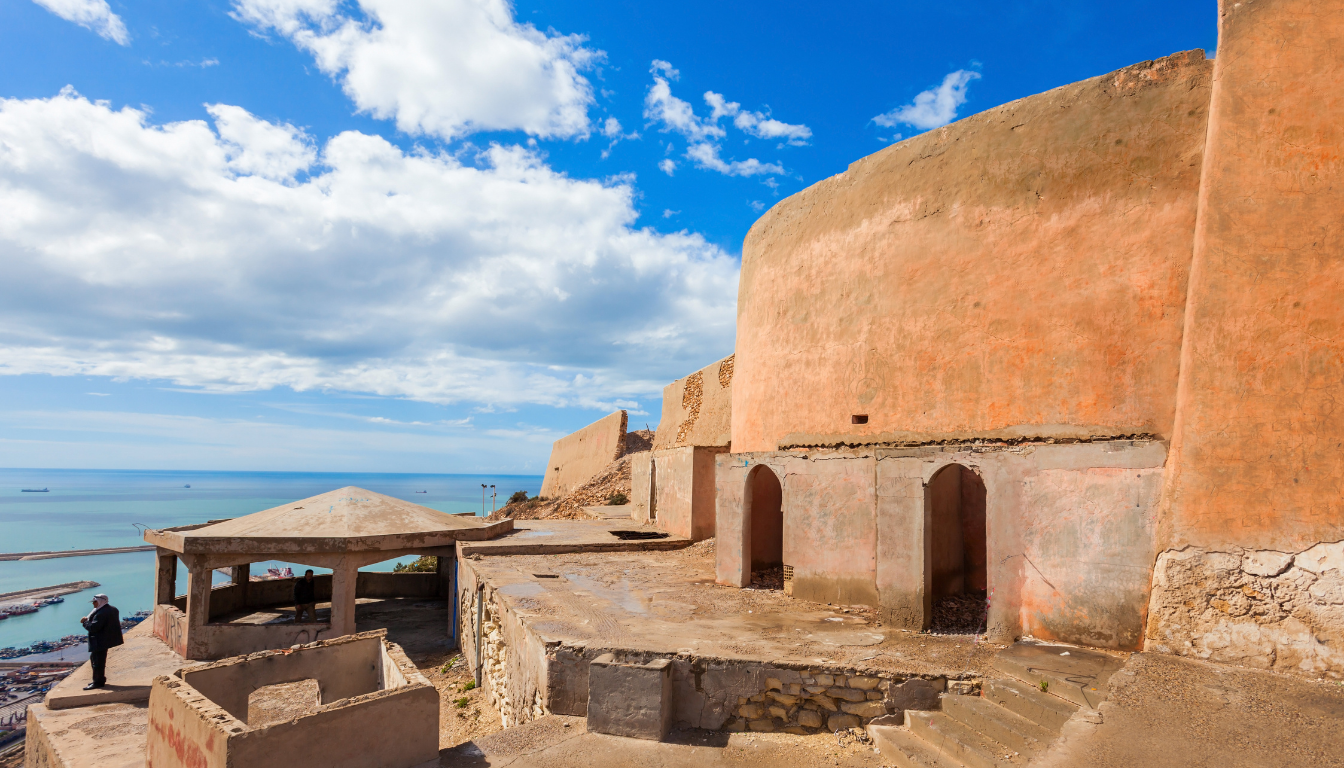
Perched majestically on a hilltop overlooking the sprawling city of Agadir, the Atlantic Ocean, and the bustling port, stands the Kasbah of Agadir Oufella. For many visitors, it's a place to capture breathtaking panoramic photos, but for me, and for anyone who takes the time to truly understand its story, it's much more. It's a poignant symbol of resilience, a silent witness to centuries of history, and a powerful reminder of Agadir's enduring spirit. Having stood atop its ruins, feeling the Atlantic breeze and gazing out at the city reborn below, I've always been struck by the profound sense of history that permeates this site. It's a place where the past and present converge, offering a unique perspective on Agadir's journey. While much of the original fortress was tragically lost in the devastating 1960 earthquake, its essence remains, inviting us to connect with the layers of history that shaped this vibrant Moroccan city. This guide will take you beyond the panoramic views, delving into the rich history of the Kasbah, offering practical tips for your visit, and helping you appreciate why this ancient fortress, even in its ruined state, is an absolute must-see on your Agadir itinerary. Get ready to step back in time and uncover the echoes of the past.A Glimpse into the Past: The Kasbah's Storied History
The Kasbah of Agadir Oufella is not just a viewpoint; it's a historical narrative etched into the landscape. Its story is one of strategic importance, shifting empires, and ultimately, a testament to human resilience.
Foundations and Early Strategic Importance
The original fortress, a 600-year-old structure, was built in 1540. Its elevated position was no accident; it offered a commanding view of the Atlantic coast, making it a crucial defensive outpost and a strategic point for controlling trade routes.
In 1505, a Portuguese merchant established a fort north of the town, which later came under the ownership of King Manuel I of Portugal. He transformed it into a garrison city, recognizing Agadir's port as a major hub for sea trade towards Sudan and Guinea. This early period highlights Agadir's significance as a gateway for commerce and its vulnerability to foreign powers.
However, Portuguese control was not to last. In 1541, the fort was captured by the Irish Saad, marking a shift in regional power.
The Golden Era and Shifting Powers
The 17th century saw the Kasbah and Agadir itself flourish under the control of the Berber Kingdom of Souss. This period was followed by its conquest by Moulay Ismail, a powerful Alaouite sultan, whose reign is often considered the "golden era" for Agadir. During this time, the city thrived as a commercial center, benefiting from its strategic port and the stability brought by a strong central authority.
The Kasbah continued to play a role in geopolitical events, even lending its name to the "Agadir Crisis" of 1911, a significant international incident between France and Germany that ultimately led to France establishing a protectorate over Morocco.
The Devastating 1960 Earthquake
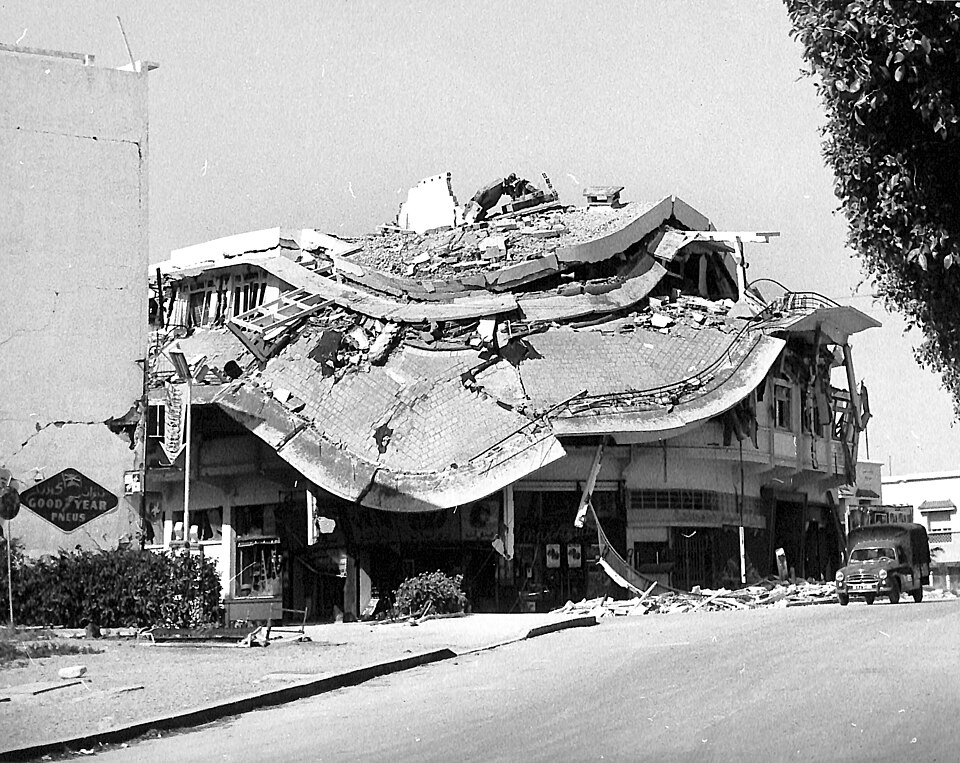
The most tragic chapter in the Kasbah's history, and indeed Agadir's, occurred on February 29, 1960. In just 15 seconds at midnight, a catastrophic earthquake struck, destroying the entire ancient Kasbah and claiming the lives of thousands of people. The city below was also largely flattened. It was a moment of immense devastation that forever altered the landscape and the lives of Agadir's inhabitants.
 Wikipedia
Wikipedia
Rebirth and Resilience: The Kasbah Today
Despite the near-total destruction, the spirit of Agadir, and its Kasbah, endured. The destruction was taken as a challenge, leading to the rebuilding of the city approximately 3 kilometers south of the original site. The Kasbah itself underwent a restoration project in 1992, preserving what remained and ensuring its historical significance was not forgotten.
Today, the Kasbah of Agadir Oufella stands as a powerful symbol of this resilience. It's a place where you can reflect on the city's past, acknowledge the tragedy it overcame, and appreciate the vibrant, modern Agadir that rose from the ashes.
Visiting the Kasbah Oufella Today: What to Expect
While the Kasbah is largely in ruins, its primary draw today is its unparalleled panoramic views and the historical weight it carries.
Getting There: Your Ascent to History
There are a few ways to reach the hilltop where the Kasbah resides:
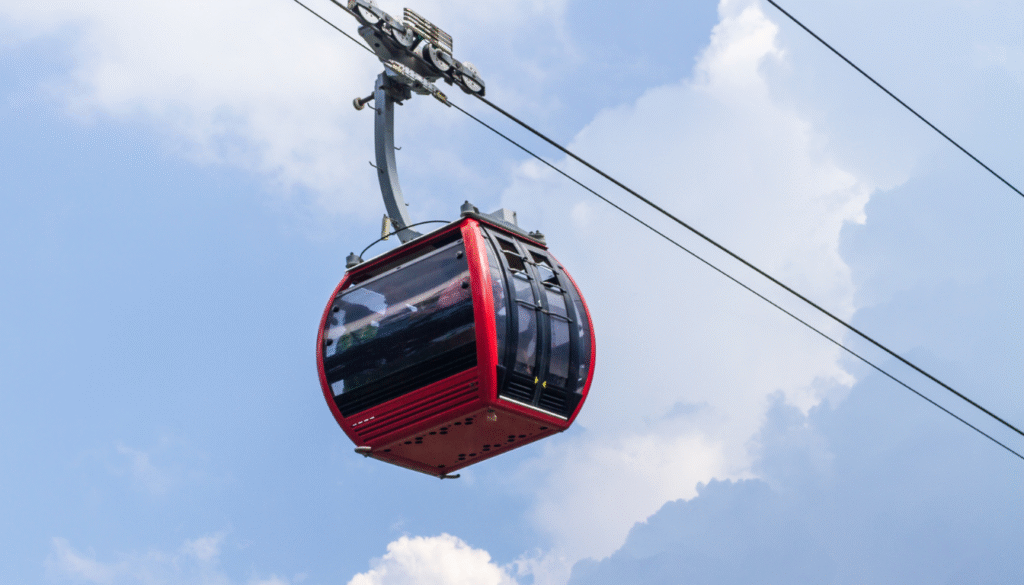
- Cable Car (Téléphérique d'Agadir): This is by far the most popular and scenic option. The Agadir Cable Car offers a comfortable and breathtaking ride up to the Kasbah, providing stunning aerial views of the city, beach, and ocean as you ascend. It's a fantastic experience, especially for families, and offers a unique perspective.
- Taxi: Taxis are readily available throughout Agadir. You can hire one to take you directly to the top. Remember to agree on a price with the driver before starting your journey, as meters are often not used.
- Hiking: For the more adventurous, it's possible to hike up to the Kasbah. This offers a more immersive experience and a chance to appreciate the landscape, but ensure you wear appropriate footwear and carry water, especially on warmer days.
The Panoramic Views: A Feast for the Eyes
Once at the top, prepare to be captivated. The views from the Kasbah are truly spectacular. You'll get a sweeping panorama that includes:
- Agadir City: The modern city stretches out below, a testament to its post-earthquake reconstruction. You can clearly see the wide boulevards and the layout of the new city.
- Agadir Beach: The vast 10-kilometer crescent of golden sand, with its gentle waves, is a prominent feature.
- Agadir Port and Marina: To the north, you'll see the bustling fishing port with its blue boats and the more modern marina with its luxury yachts.
- The Atlantic Ocean: The endless expanse of the Atlantic stretches to the horizon, often dotted with fishing boats and, in the distance, perhaps even surfers.
I remember standing there, watching the city lights begin to twinkle as the sun dipped below the horizon, painting the sky in fiery hues of orange and purple. It's a moment that truly connects you to the beauty of Agadir.
Exploring the Ruins: A Glimpse of What Was
While the Kasbah is not a fully preserved fortress, you can still walk among the remaining walls and foundations. These ruins offer a tangible link to the past, allowing you to imagine the bustling life that once filled these ancient grounds. Look closely, and you might discern the outlines of former buildings and pathways.
The Iconic Inscription
One of the most famous features of the Kasbah is the Arabic inscription above the entrance gate, which reads: "God, King, Country." This powerful phrase is a national motto of Morocco and serves as a reminder of the country's deep-rooted values and identity. It's a popular spot for photos and a significant cultural marker.
Beyond the Kasbah: Nearby Historical and Cultural Gems
A visit to the Kasbah can easily be combined with exploring other significant sites in Agadir, offering a comprehensive cultural experience.
Agadir Port and Fishing Harbor
Just below the Kasbah, the Agadir Port is a vibrant hub of activity. It's one of Morocco's largest fishing ports, and you can witness the daily rhythm of fishermen bringing in their catch. The air is filled with the scent of the Atlantic, and the sight of hundreds of blue fishing boats creates a picturesque scene. You can even find small open-air fish markets where you can choose fresh seafood and have it grilled on the spot for an incredibly authentic meal.
Agadir Marina
Adjacent to the fishing port, the Agadir Marina offers a striking contrast. This modern area is lined with luxury yachts, high-end boutiques, and a variety of cafes and restaurants. It's a pleasant place for a leisurely stroll, offering a glimpse into Agadir's more contemporary and upscale side.
Souk El Had
For a truly immersive cultural and shopping experience, head to Souk El Had, Agadir's largest traditional market. With over 6,000 stalls, it's a sensory overload of spices, textiles, leather goods, handicrafts, and fresh produce. It's the perfect place to practice your bargaining skills and find unique souvenirs.
Agadir Medina (Polizzi Medina)
Another significant cultural site is the Agadir Medina, also known as Medina Polizzi. This is a modern reconstruction of a traditional Moroccan town, built after the 1960 earthquake. It features winding streets, Berber-style architecture, and artisan workshops where you can observe traditional crafts being made. It offers a more controlled and less overwhelming environment to experience Moroccan artistry.
Practical Tips for Your Kasbah Visit
To make your visit to the Kasbah as enjoyable as possible, keep these practical tips in mind:
- Best Time to Visit: The late afternoon, especially leading up to sunset, is ideal. The light for photography is beautiful, and the cooler temperatures make for a more comfortable experience. Watching the sunset from the Kasbah is a truly magical experience.
- Footwear and Sun Protection: Wear comfortable walking shoes, as the ground can be uneven. The hilltop is exposed, so bring sunscreen, a hat, and sunglasses, even on cloudy days.
- Photography: The Kasbah offers incredible photo opportunities. Be mindful of other visitors and always ask for permission before taking photos of people.
- Respect the Site: Remember that this is a historical site with deep significance. Treat the ruins with respect and avoid climbing on fragile structures.
Conclusion: The Enduring Spirit of Agadir
The Kasbah of Agadir Oufella is far more than just a tourist attraction; it's the soul of the city, a testament to its enduring history, and a powerful symbol of its ability to rise from adversity. Standing on its ancient grounds, you can feel the echoes of centuries past, witness the vibrant present, and look out towards the promising future of Agadir.
A visit here offers not just stunning views but a profound connection to the heart of this Moroccan coastal gem. It's a reminder that even in ruin, history can inspire, and resilience can build a new, beautiful future. Don't miss the chance to experience this unique blend of history, culture, and breathtaking scenery.[wp_blog_designer]
Related articles


Featured in Agadir

Timlalin Domes
Hotels & Accommodation
5.0

Hilton Taghazout Bay Beach Resort & Spa
Hotels & Accommodation
5.0

Generation Cars location voiture Agadir, location voiture Agadir aéroport sans caution, Car rental Agadir
Transport & Car Rental
5.0

Centre Dentaire Amzil agadir
Health & Wellness
0.0
Own a business in Agadir?
Get discovered by thousands of visitors.