Agadir Hammam Experience Review for First-Timers
Trying a Moroccan hammam in Agadir for the first time? Discover what to expect, how the traditional ritual works, what to bring, and how to choose between a local hammam and a more comfortable spa experience.
The first bucket of warm water is the moment an Agadir hammam stops feeling like a spa appointment and starts feeling like Morocco. This Agadir hammam experience review is for travelers who want the real ritual - steam, black soap, a vigorous scrub, and that wonderfully weightless feeling afterward - without arriving unsure of the etiquette.
A hammam is one of Agadir's most restorative experiences after a beach day, a surf session in Taghazout, or a long walk around the city. But there is no single version. A neighborhood hammam and a hotel spa may share the same roots while offering very different levels of privacy, comfort, service, and polish. The best choice depends on whether you want local atmosphere, a treatment-focused escape, or an easy first introduction.
What an Agadir Hammam Experience Is Really Like
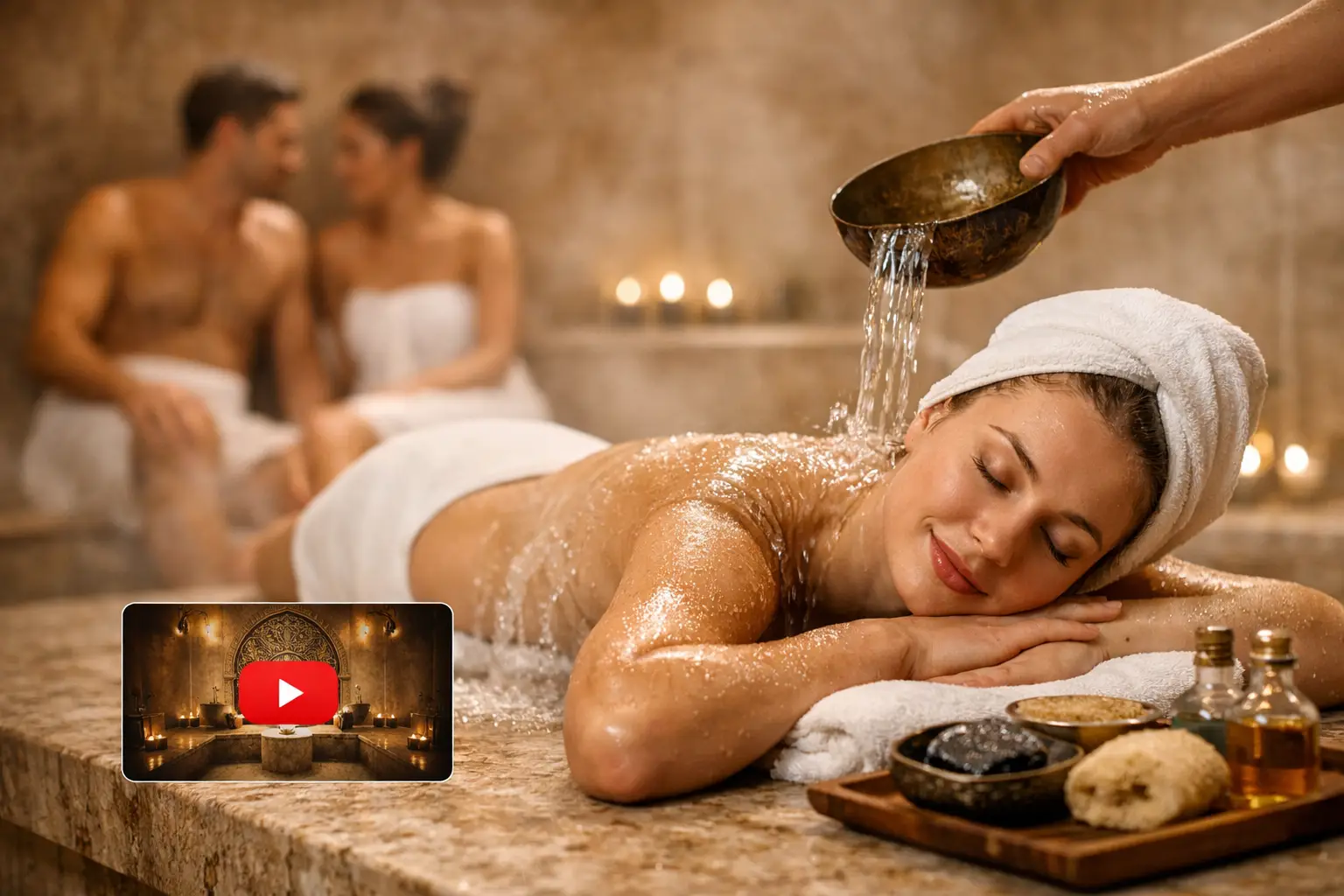
At its core, a hammam is a warm bathing ritual built around heat, cleansing, and exfoliation. You will normally enter a heated room, relax long enough for the warmth to soften your skin, and then wash with traditional black soap. The signature treatment is a scrub with a rough kessa glove, followed by rinsing with warm water. Many places also offer a massage, often with argan oil, as an add-on.
The scrub is not delicate. A skilled attendant uses firm, brisk strokes that can feel startling if you expect a gentle body polish. Dead skin rolls away, water is poured over you, and you leave feeling unusually clean rather than simply moisturized. For many visitors, that is the memorable part: it is practical, unfussy, and deeply refreshing.
The heat level varies. Traditional public hammams can be hotter, busier, and more humid than hotel facilities. Private hammams in riads, salons, and spas tend to manage the experience around an appointment, with a quieter room, towels supplied, and a clearer treatment sequence. Neither is automatically better. One feels more local; the other makes the first visit easier.
The Typical Order of a Visit
Most guided hammam sessions last around 45 to 90 minutes, depending on whether you add a massage. You change, enter the warm space, and spend time acclimating before black soap is applied. After a rinse, the attendant performs the kessa scrub, then rinses again. A clay mask, hair wash, or argan oil massage may follow.
Do not rush from the steam room straight into a packed sightseeing schedule. Your body will be warm and relaxed, and you may feel thirsty. Give yourself time for water, tea, and a slow walk afterward. An evening appointment can be especially satisfying if you have spent the day in the sun.
Agadir Hammam Experience Review: Traditional or Spa-Style?
For most first-time visitors, the decision comes down to the setting. A traditional hammam is usually more affordable and more communal. It may have separate hours or spaces for women and men, basic changing facilities, and an atmosphere centered on regular local routines rather than tourism. It can be a meaningful cultural experience, but it asks more of you: bring the right items, expect limited English, and be comfortable with a less private environment.
A spa-style hammam is often the simpler choice for couples, families, solo travelers who prefer privacy, and anyone booking their first Moroccan scrub. You are more likely to find clear treatment menus, reservations, robes, towels, lockers, and a private or semi-private room. The service costs more, particularly when a massage or beauty treatment is included, but the experience is usually more predictable.
There is a trade-off worth making honestly. A luxury spa can feel calm and beautifully presented, yet it may be less connected to the everyday rhythm of local life. A public hammam can feel authentic and memorable, yet may not suit visitors who value privacy, fixed schedules, or extensive amenities. Choose the format that will let you relax instead of worrying about the details.
What to Bring and What to Wear
For a traditional hammam, bring a clean change of underwear, flip-flops, a towel, toiletries, and cash. Some regulars also bring their own kessa glove, black soap, shampoo, and plastic bucket, although what is needed varies by location. Ask in advance what is provided rather than assuming.
In a spa, towels, slippers, soap, and treatment products are usually part of the service. Still, a swimsuit may be useful if you are booking a mixed-gender facility, using shared areas, or simply prefer extra coverage. In gender-separated traditional hammams, people generally wear underwear, though local customs and comfort levels can differ.
Leave jewelry and valuables at your accommodation when possible. Heat, water, and hurried changing rooms are not ideal for watches, rings, or electronics. If you wear contact lenses, be mindful that steam and soap can be irritating.
Etiquette That Makes the Visit Easier
A little preparation makes a big difference. Arrive clean, especially for a spa treatment, and tell the attendant if you have sensitive skin, sunburn, a recent shave, cuts, or any condition that makes vigorous exfoliation uncomfortable. A strong scrub is normal; pain is not something you need to silently tolerate. Ask for lighter pressure if needed.
Respect the setting by keeping your voice low and your phone away. In communal hammams, people come to wash and unwind, not to create content. Photography is not appropriate. Follow staff guidance on where to change, when to rinse, and how to move through the space.
Tipping is appreciated when an attendant gives attentive hands-on service, though the amount should reflect the venue and the level of treatment. Carry small bills so you are not left trying to solve it at the end of a relaxing session. As with any service, check whether a tip is already included at a hotel spa.
How to Choose a Good Hammam in Agadir
The right hammam should feel clean, clearly run, and suited to your comfort level. For a spa booking, look for recent guest feedback that mentions hygiene, staff professionalism, water temperature, treatment duration, and whether the service matched the description. Photos can help, but they do not tell you how fresh towels are, how private the room feels, or whether the scrub is handled with care.
For a local hammam, ask your hotel host, riad owner, or a trusted local contact about opening times, women-only or men-only sessions, and what to bring. Hours can shift around prayer times, holidays, and seasonal schedules, so it is wise to confirm before heading across town.
Location matters too. A hammam near your hotel is often the smarter choice than a highly rated option far away, because you will want an easy return afterward. Visitors staying by the beach, in the Marina, or near central Agadir can find spa-style choices convenient to their accommodation, while more residential neighborhoods may offer a more traditional atmosphere.
When a Hammam Is Not the Best Plan
Skip the scrub if you are badly sunburned, have irritated skin, feel unwell, or are dehydrated after too much sun or activity. Heat can be intense, and exfoliation can make already-sensitive skin feel worse. Pregnant travelers and anyone with a health concern should ask a medical professional what is appropriate for them before booking a heat-based treatment.
It is also fine to choose only a massage or a gentler spa ritual. The hammam does not need to be an endurance test to count as a Moroccan wellness experience. A good attendant will adapt the service when you communicate clearly.
For an experience that feels both relaxing and rooted in place, schedule your hammam for a day when you can slow down. Let the salt air, steam, black soap, and argan oil do their work, then step back into Agadir feeling lighter and ready for whatever you want to discover next.
Keywords: Agadir hammam experience






Own a business in Agadir?
Get discovered by thousands of visitors.