A Taste of Agadir
@onamir13 min read
A Taste of Agadir: Your Ultimate Guide to an Authentic Food Tour Imagine a city where the air is perfumed with the scent of exotic spices, where every corner promises a new culinary discovery, and where the simple act of eating becomes a vibrant journey through culture and
A Taste of Agadir: Your Ultimate Guide to an Authentic Food Tour
Imagine a city where the air is perfumed with the scent of exotic spices, where every corner promises a new culinary discovery, and where the simple act of eating becomes a vibrant journey through culture and history. This is Agadir, Morocco, and while its golden beaches and sun-drenched promenade are undeniably captivating, it's the food that truly captures the soul of this coastal gem.
As someone who believes that the best way to understand a culture is through its cuisine, I've spent countless hours exploring Agadir's hidden eateries, bustling markets, and local street food stalls. From the first bite of a perfectly spiced tagine to the sweet warmth of a freshly brewed mint tea, each culinary encounter has deepened my appreciation for Moroccan hospitality and the incredible flavors of this region. I've learned that beyond the well-known dishes, there's a world of indigenous flavors and hidden gastro-gems waiting to be discovered, often with fascinating stories and historical relevance attached to them.
This guide is your invitation to embark on an unforgettable culinary adventure: an authentic Agadir food tour. We'll delve into why this experience is a must-do, what you can expect, the iconic dishes you absolutely have to try, and practical tips to ensure your taste buds (and your camera roll!) are thoroughly satisfied. Get ready to eat like a local and savor the true taste of Agadir!
Why an Agadir Food Tour is a Must-Do
While you can certainly find delicious food on your own in Agadir, a dedicated food tour elevates the experience from a meal to a profound cultural immersion. Here’s why it’s an absolute must-do:
- Authenticity Beyond the Tourist Trail: Many restaurants cater to international palates, but a food tour takes you to the hidden gastro-gems and local spots where Moroccans truly eat. You'll discover flavors and dishes you might never find on your own.
My most memorable food tour in Agadir led me down a narrow alley I would have never ventured into alone, to a tiny, unassuming stall serving the most incredible Refissa I’ve ever tasted. The guide explained its history, the specific spices, and how it’s traditionally prepared for special occasions. It was a moment of pure culinary and cultural revelation.
What to Expect on Your Agadir Food Tour
An authentic Agadir food tour is a multi-sensory journey designed to immerse you in the city's culinary heart.
Your Local Foodie Guide
The cornerstone of any great food tour is your guide. In Agadir, you'll typically be led by a passionate local foodie who is proud to introduce you to the indigenous flavors of Morocco. They are not just navigators; they are storytellers, cultural ambassadors, and your personal connection to the city's gastronomic soul. They'll speak multiple languages (often Arabic, French, and English) and be eager to answer all your questions.
A Journey Through Agadir's Culinary Landscape
Food tours often begin in a central location and then venture into various culinary hotspots. This might include:
- Souk El Had: Agadir's largest traditional market is a vibrant starting point, where you can explore stalls brimming with fresh produce, olives, nuts, and, most importantly, an incredible array of spices. Your guide will help you navigate the bustling aisles, pointing out key ingredients and explaining their uses in Moroccan cuisine.
The Tastings: A Symphony of Flavors
Prepare your palate for a diverse array of tastes. An authentic Agadir food tour is designed to offer a comprehensive culinary experience, typically including 12 to 15 different tastings. This ensures you get a broad understanding of Moroccan cuisine, from savory main dishes to delightful sweets and refreshing beverages.
You can expect to sample:
- Traditional Dishes: Classic Moroccan staples that are a must-try.
- Street Food: Quick, flavorful bites that are popular among locals.
- Home-Cooked Style Eats: Dishes that evoke the warmth and comfort of a Moroccan family kitchen.
- Desserts: Sweet treats to round off your savory journey.
- Fresh Juices: Morocco is famous for its incredibly sweet and refreshing freshly squeezed orange juice, often a highlight.
Your guide will explain each dish's components, preparation methods, and historical relevance, enriching your understanding with every bite.
A Culinary Journey: Must-Try Dishes in Agadir
While your food tour will introduce you to many delights, here are some iconic Moroccan dishes you absolutely must savor in Agadir:
Tagine: The Heart of Moroccan Cuisine
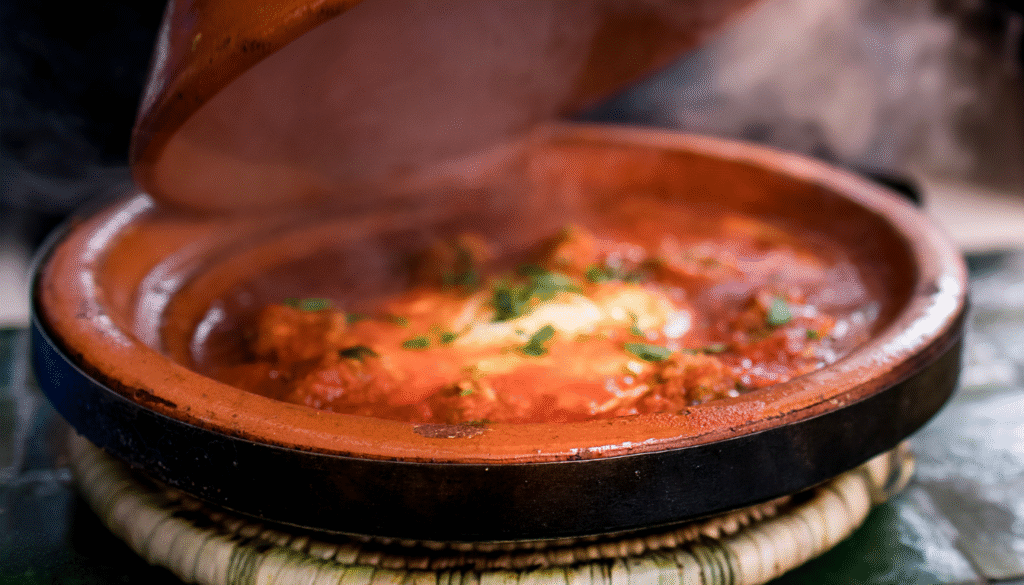
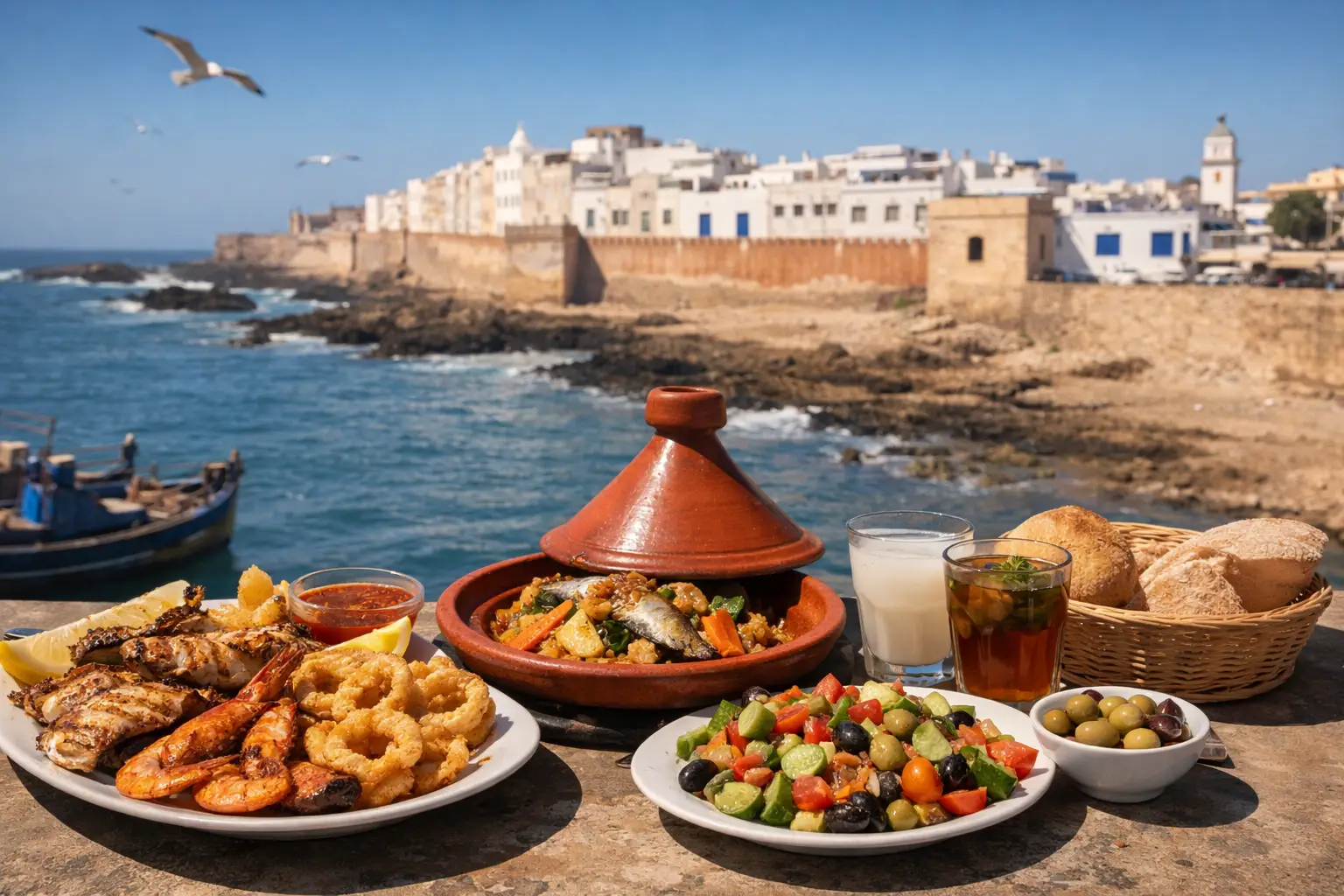
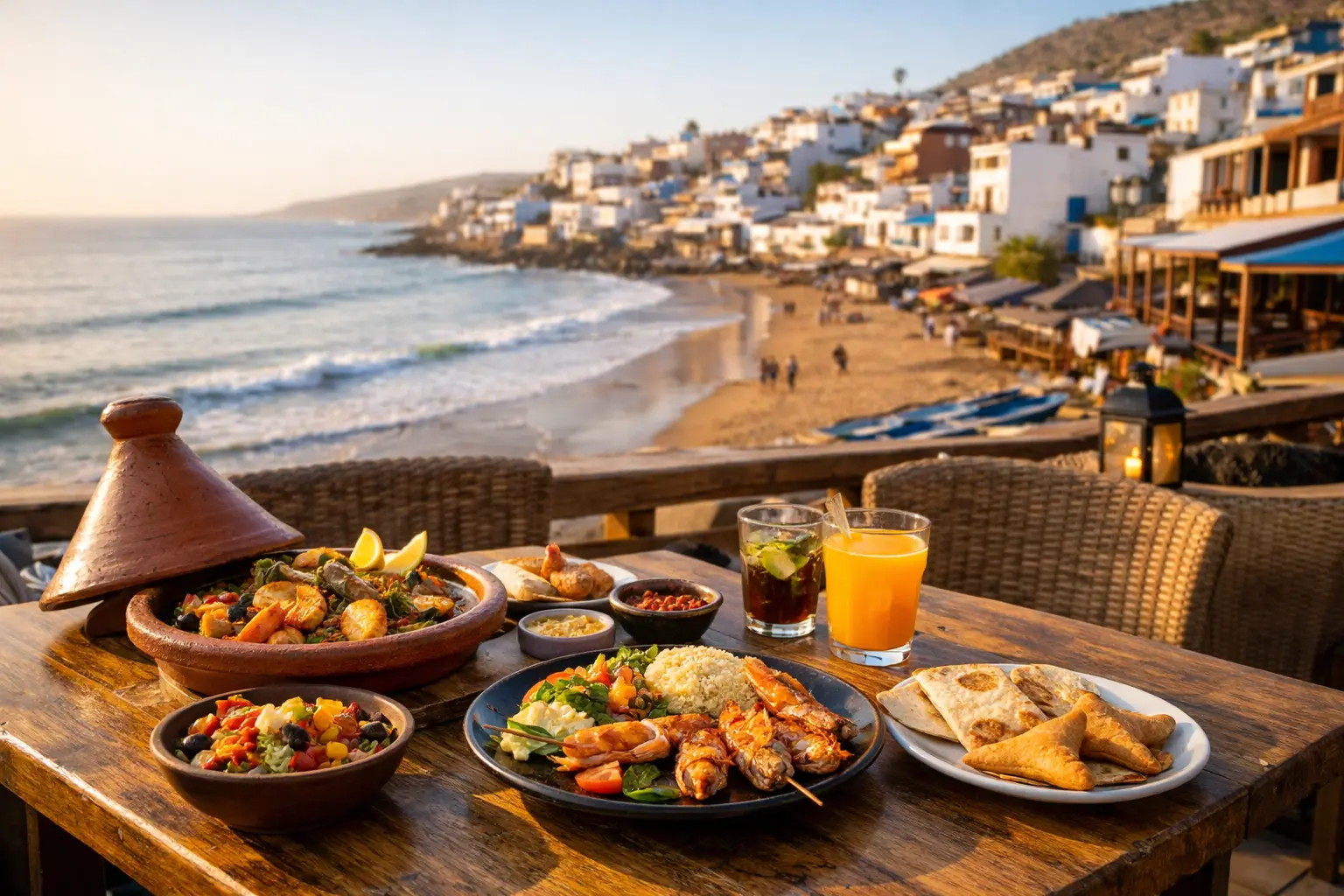
The tagine is more than just a dish; it's a cooking vessel and a symbol of Moroccan culinary tradition. This slow-cooked stew, prepared in an earthenware pot with a conical lid, combines tender meat (chicken, beef, or lamb), vegetables, and often dried fruits like prunes or apricots, all infused with a rich blend of aromatic spices.
- What to Expect: The flavors are generally mild, comforting, and deeply savory, making it a universally appealing dish. You'll find countless variations, from classic chicken with preserved lemon and olives to sweet lamb tagine with prunes and almonds.
- Where to Find It: While many restaurants offer tagine, seek out local eateries in the medina or smaller, family-run spots for the most authentic flavors. Your food tour guide will know the best places.
Couscous: Morocco's National Dish
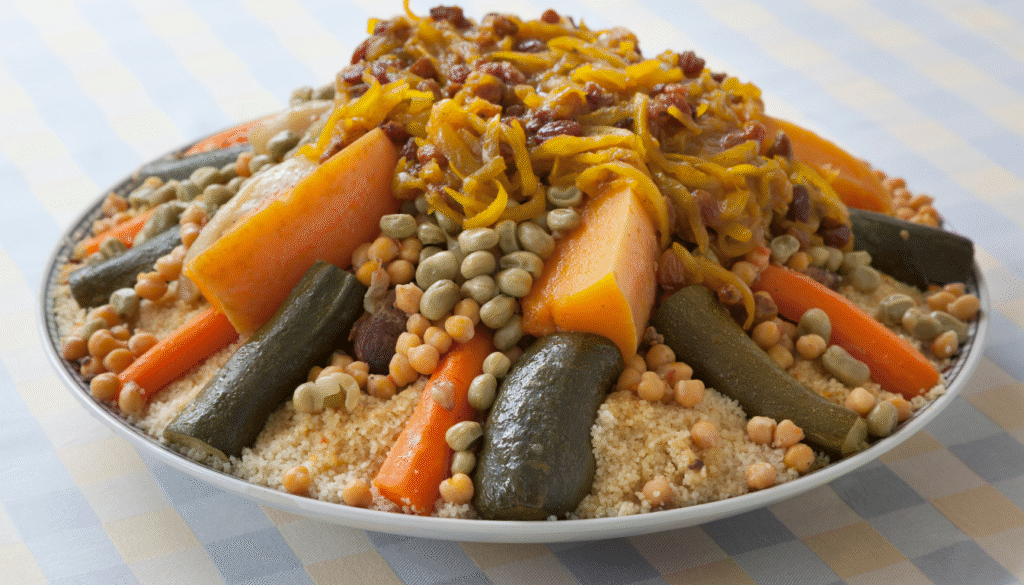
Often served on Fridays as a communal meal, couscous is a staple of Moroccan cuisine. It consists of fluffy steamed semolina grains, typically served with a rich stew of slow-cooked vegetables (carrots, zucchini, pumpkin, chickpeas) and tender meat.
- What to Expect: It's a hearty, wholesome dish, perfect for sharing. The light, airy texture of the couscous perfectly absorbs the flavorful broth of the stew.
- Where to Find It: Many local restaurants will feature couscous on their menu, especially on Fridays.
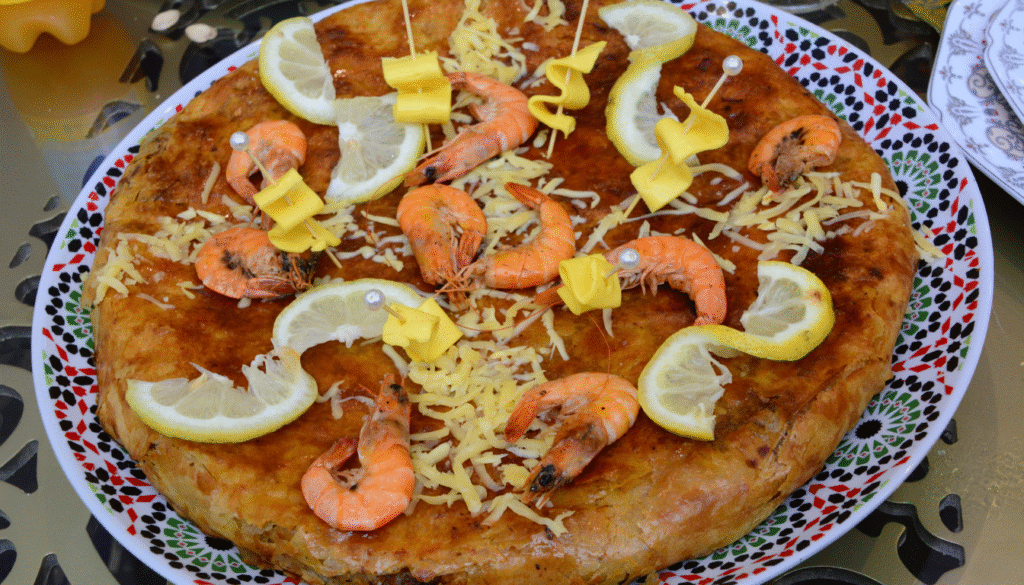
Pastilla: A Flaky Delight
Pastilla (or Bastilla) is an exquisite Moroccan pie that beautifully balances sweet and savory flavors. It features thin, crispy layers of warqa pastry (similar to filo), typically filled with a savory mixture of shredded pigeon or chicken, eggs, almonds, and a blend of spices like saffron, cinnamon, and ginger. It's often dusted with powdered sugar and cinnamon.
- What to Expect: The contrast between the delicate, flaky pastry and the rich, aromatic filling is truly unique. It's a celebratory dish, often served on special occasions.
- Where to Find It: Look for it in more traditional Moroccan restaurants or ask your food tour guide for recommendations.
Bissara: The Comforting Bean Soup
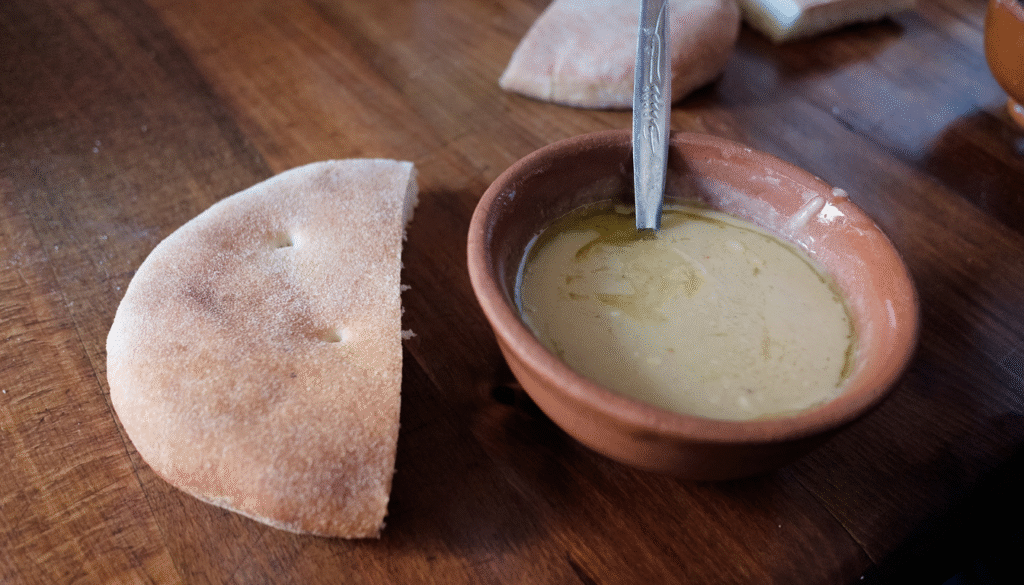
A popular side dish or starter, especially comforting on cooler mornings, Bissara is a velvety-smooth soup made from pureed fava beans. It's typically seasoned with garlic, cumin, and a drizzle of olive oil, often served with fresh bread for dipping.
- What to Expect: It's a simple yet incredibly flavorful and nutritious dish, offering a taste of authentic Moroccan home cooking.
- Where to Find It: You'll often find Bissara at local cafes and street food stalls, particularly for breakfast or a light lunch.
Ghriba: A Sweet Ending
For those with a sweet tooth, Ghriba are traditional Moroccan almond cookies. These delightful, crumbly cookies are often made with ground almonds, sugar, and a hint of orange blossom water, then baked until golden.
- What to Expect: They are typically served alongside a glass of traditional Moroccan mint tea, offering a perfect balance to the tea's sweetness.
- Where to Find It: You'll find Ghriba in bakeries, cafes, and sometimes at stalls within Souk El Had.

Fresh Seafood: From Port to Plate
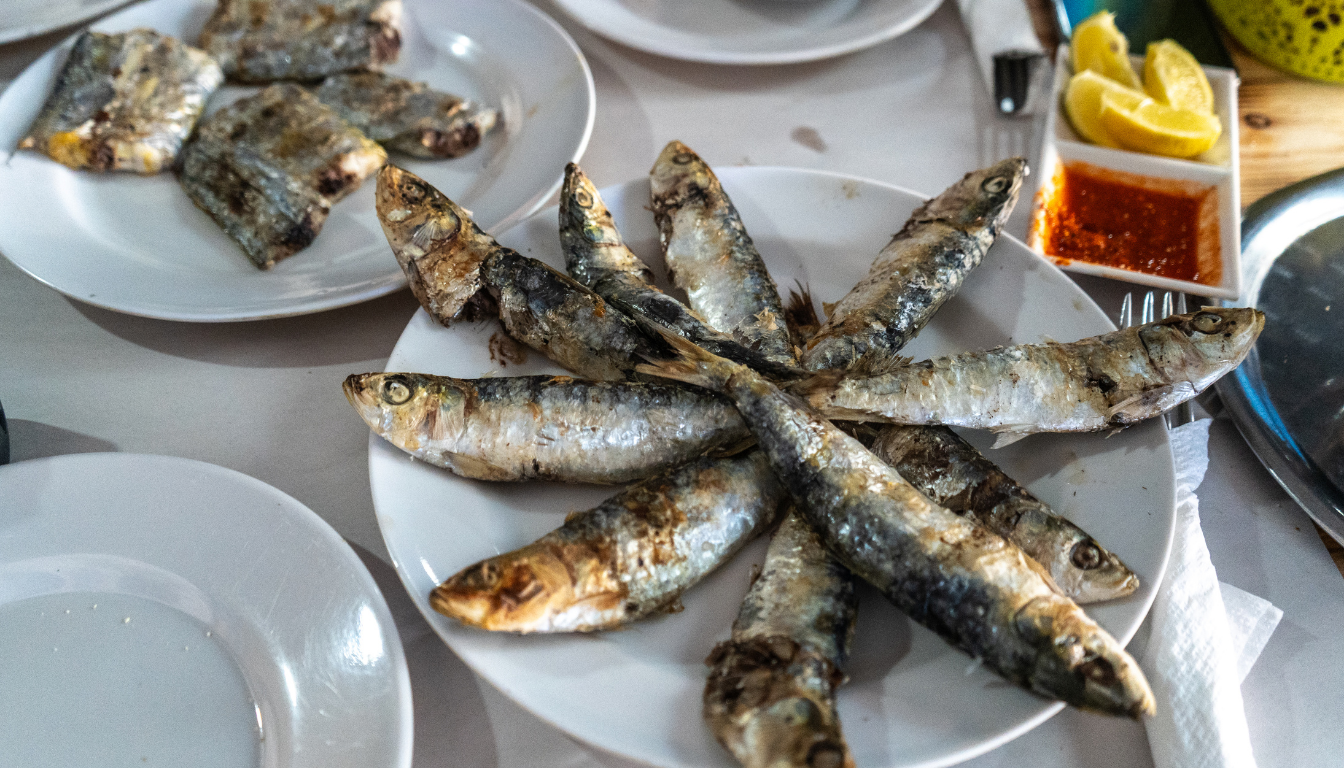
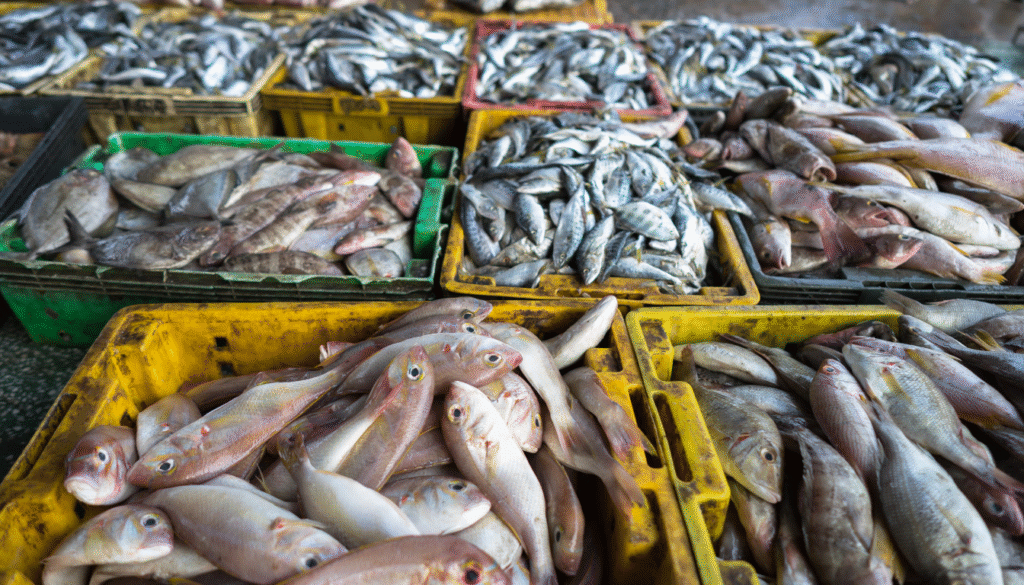
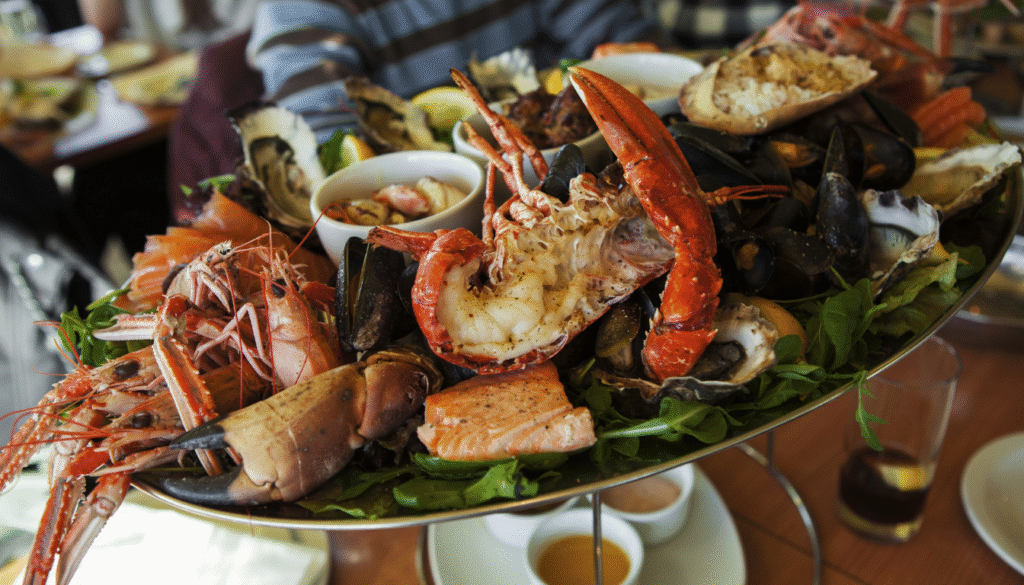
Given Agadir's status as a major fishing port, fresh seafood is an absolute must-try.
- What to Expect: The Agadir Port (Port de Pêche) is a vibrant hub where fishermen bring in their daily catch. You can visit the small open-air fish market, choose your preferred seafood (sardines are a local specialty!), and have it grilled fresh on the spot at one of the many small, rustic eateries. The experience is incredibly authentic and the seafood is unbelievably fresh.
- Where to Find It: Head directly to the Agadir Port for the freshest experience. Many beachfront restaurants also serve excellent seafood dishes.
Agadir Street Food: A Flavorful Adventure
Beyond specific dishes, exploring Agadir's street food scene is an adventure in itself. You'll find vendors selling:
- Olives: Mountains of olives, marinated in various spices and herbs.
- Dates & Dried Fruits: Sweet and energy-boosting snacks.
- Fresh Juices: Beyond orange juice, try pomegranate or mixed fruit juices.
- Sfenj: Moroccan doughnuts, often served hot and fresh for breakfast.
Beyond the Plate: Cultural Insights Through Food
An Agadir food tour offers more than just delicious food; it's a gateway to understanding Moroccan culture.
The Ritual of Moroccan Mint Tea
More than just a beverage, mint tea (often called "Berber whiskey") is a symbol of Moroccan hospitality. It's served with a ritual, poured from a height to create a frothy top, and offered as a welcome gesture in homes, shops, and cafes. On a food tour, you'll likely enjoy several glasses, learning about its significance and the art of its preparation.

The Art of the Souk: Spices and Argan Oil
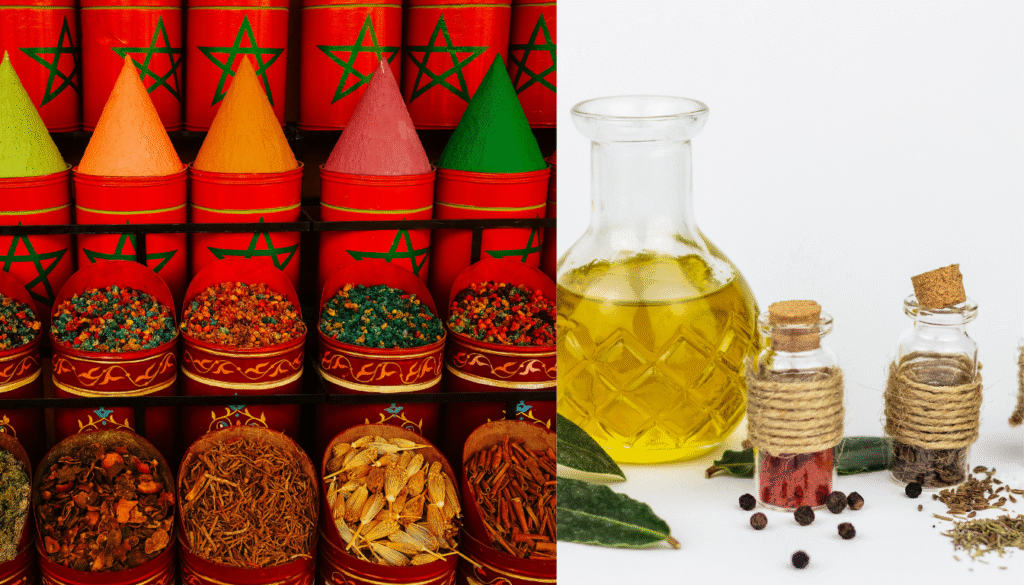
The vibrant spice stalls of Souk El Had are a testament to Morocco's rich culinary heritage. Your guide can help you identify key spices used in Moroccan cooking, like cumin, turmeric, paprika, and the complex Ras el Hanout blend. You'll also learn about argan oil, Morocco's "liquid gold," used both culinarily (for dipping bread) and cosmetically. Many tours include a stop at an argan oil cooperative where you can see how it's produced.
Moroccan Hospitality: A Warm Welcome
Throughout your food tour, you'll experience the genuine warmth and generosity of Moroccan hospitality. Vendors and locals are generally friendly and welcoming, eager to share their culture and their food. This personal interaction is a highlight of the experience, making you feel less like a tourist and more like a cherished guest.
Choosing Your Agadir Food Tour
To ensure you have the best possible experience, consider these factors when selecting your food tour:
Look for Local Guides and Authentic Experiences
Prioritize tours led by local guides who have an intimate knowledge of Agadir's culinary scene and can offer genuine insights into the culture. Look for tours that emphasize "authentic," "local," and "hidden gems" rather than just "popular tourist spots."
Read Reviews and Check Inclusions
Before booking, read reviews from previous participants to gauge the quality of the experience. Pay attention to comments about the guide's knowledge, the variety and quality of the food, and the overall atmosphere. Confirm what is included in the tour price (e.g., all food tastings, drinks, transportation, hotel pick-up/drop-off).
Private vs. Small Group Tours
- Small Group Tours: These are a great way to meet other travelers and share the experience. They often offer a good balance of cost and personal attention.
- Private Tours: If you prefer a more personalized experience, a private tour allows the guide to tailor the itinerary to your specific interests and dietary needs. This can be ideal for families or those with particular culinary curiosities.
Practical Tips for Your Agadir Food Adventure
To make the most of your Agadir food tour and ensure a comfortable experience, keep these tips in mind:
- Come Hungry! This is perhaps the most important tip. Food tours involve numerous tastings, so arrive with an empty stomach to fully enjoy every delicious bite.
Conclusion: Savor the Flavors of Agadir
An authentic food tour in Agadir is more than just a meal; it's a vibrant, immersive journey into the heart and soul of Moroccan culture. It's an opportunity to taste the rich history in every spice, feel the warmth of local hospitality with every cup of mint tea, and discover the hidden culinary treasures that make Agadir truly unique.
By choosing a local guide and embracing the adventure, you'll not only satisfy your appetite but also gain a deeper understanding and appreciation for this incredible city. So, pack your curiosity and your appetite, and get ready to savor the unforgettable flavors of Agadir. Your Moroccan culinary adventure awaits!
Related articles

Featured in Agadir

Timlalin Domes
Hotels & Accommodation
5.0

Hilton Taghazout Bay Beach Resort & Spa
Hotels & Accommodation
5.0

Generation Cars location voiture Agadir, location voiture Agadir aéroport sans caution, Car rental Agadir
Transport & Car Rental
5.0

Centre Dentaire Amzil agadir
Health & Wellness
0.0
Own a business in Agadir?
Get discovered by thousands of visitors.